
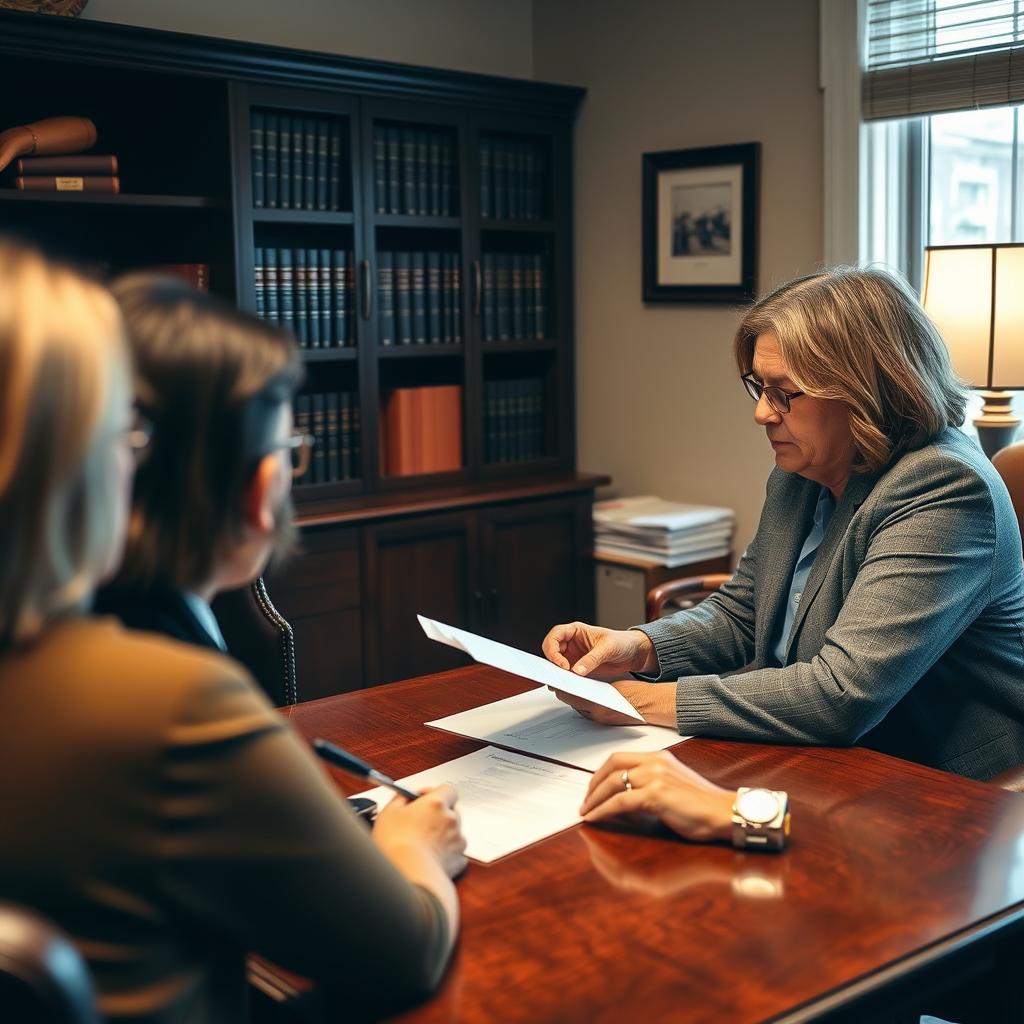
Real Estate Division Lawyer in Rappahannock County, Virginia — How Is Property Divided?
Dividing real estate in Rappahannock County, Virginia, is governed by the equitable distribution statute, Va. Code § 20-107.3, which Mr. Sris personally helped amend. This process is not a simple 50/50 split. The court considers multiple factors to determine a fair, but not necessarily equal, division of marital property. Law Offices Of SRIS, P.C.
Virginia Law on Dividing Real Estate in Divorce
Virginia is an equitable distribution state. This means marital property, including real estate acquired during the marriage, is divided fairly based on the circumstances of each case. The primary statute is Va. Code § 20-107.3. This law provides the framework and lists the 11 factors courts must consider when dividing property. Separate property, such as a home owned before marriage or received as an inheritance, is typically not subject to division.
Last verified: April 2026 | Rappahannock County Circuit Court | Virginia General Assembly
Official Legal Resources
- Va. Code § 20-107.3 (official Virginia General Assembly) – The equitable distribution statute.
- Rappahannock County Courts – Official court website for filing and procedures.
Handling Real Estate Division in Rappahannock County
The key to a property split in Rappahannock County is understanding valuation and the available legal options. The court must first classify property as marital or separate, then determine its value. For a family home or land, this often requires a professional appraisal. Common resolutions include one spouse buying out the other’s interest, selling the property and dividing the proceeds, or, in rare cases, awarding exclusive use to one spouse for a period.
- Inventory and Classify Assets: List all real estate and determine if it is marital, separate, or hybrid property.
- Obtain Professional Valuations: Hire a qualified real estate appraiser to establish the fair market value of the property.
- Explore Settlement Options: Negotiate a buyout, sale, or co-ownership agreement through mediation or attorney negotiation.
- Prepare for Court if Needed: If agreement is impossible, prepare to present evidence on all statutory factors to the judge.
- Execute the Division: Finalize the division through a court order, which may involve refinancing a mortgage or executing a deed.
Potential Outcomes and Considerations
In Rappahannock County, dividing real estate in divorce can result in a buyout, forced sale, or deferred sale, with the outcome heavily dependent on the property’s value, mortgage status, and each spouse’s financial circumstances.
Results may vary. Prior results do not guarantee a similar outcome.
Why Choose Our Firm for Your Property Division Case
Founded in 1997 by former prosecutor Mr. Sris, Law Offices Of SRIS, P.C. brings over 120 years of combined legal experience to complex family law matters. Mr. Sris played a direct role in amending Virginia’s core equitable distribution statute, Va. Code § 20-107.3, giving our firm a deep, foundational understanding of the law we use to advocate for clients. We focus on achieving practical solutions for the division of homes, land, and investment properties.
Samantha Rae Powers, Associate Attorney at Law Offices Of SRIS, P.C. — Licensed in VA, FL. Experienced family law and civil litigator. View Samantha Rae Powers’s Profile
Case Results and Client Advocacy
Our firm has a documented record of favorable outcomes in family law cases. In Rappahannock County, we have 40 total documented case results across all practice areas with a 98% favorable outcome rate. Results may vary. Prior results do not guarantee a similar outcome. We apply this experience to protect your stake in marital real estate, whether it’s the family home, a rental property, or undeveloped land.
Contact Our Rappahannock County Real Estate Division Lawyers
Our Fairfax location serves clients in Rappahannock County. We are accessible via major routes and represent clients at the Rappahannock County courts in Washington, VA.
Real estate division lawyer near Rappahannock County, Washington, and Sperryville. We serve the communities of Washington, Sperryville, and Flint Hill.
24/7 phone consultations — meetings by appointment only.
Law Offices Of SRIS, P.C.
4008 Williamsburg Ct, Fairfax, VA 22032
Toll-Free: (888) 437-7747 | Local: (703) 636-5417
By appointment only.
Frequently Asked Questions: Real Estate Division in Virginia
How is a house divided in a Virginia divorce?
It depends. The marital home is subject to equitable distribution under Va. Code § 20-107.3. Common solutions include one spouse buying out the other’s equity, selling the house and splitting the proceeds, or awarding one spouse exclusive use for a set time, often until children reach adulthood.
Is my spouse entitled to half my house if it’s in my name?
Not necessarily. Title is not determinative. If the house was purchased with marital funds during the marriage, it is likely marital property subject to division, regardless of whose name is on the deed. A property split lawyer Rappahannock County can analyze the specifics of your acquisition.
What happens to a mortgage in a divorce?
The mortgage remains a joint debt until paid or refinanced. If one spouse keeps the house, they typically must refinance the mortgage into their name alone to remove the other spouse’s liability. The court can order this as part of the final decree.
Can I be forced to sell my house in a divorce?
Yes. If spouses cannot agree on how to divide the equity and neither can afford to buy out the other, the court can order the sale of the property (a “forced sale”) and the proceeds divided equitably between the parties.
How is the value of real estate determined for divorce?
The fair market value is established, usually by a mutually agreed-upon or court-appointed certified real estate appraiser. The date of valuation is typically the date of the final separation or the date of trial, which can significantly impact the value used for division.
Internal Resources
- Virginia Family Law & Divorce Lawyer Hub
- Fairfax County Divorce & Family Lawyer
- Criminal Defense Lawyer Rappahannock County
Page Last verified: April 2026. Laws change. Contact Law Offices Of SRIS, P.C. at (888) 437-7747 for current legal guidance regarding real estate division.