
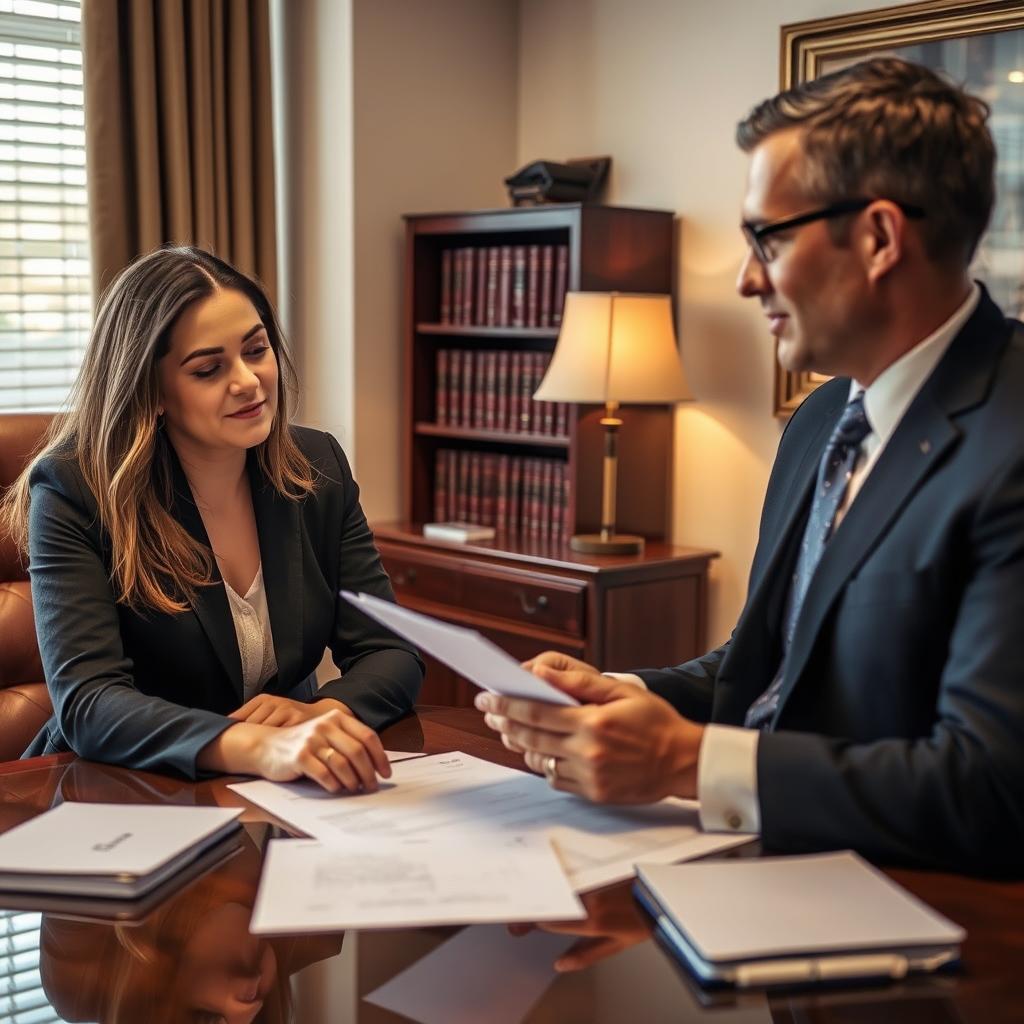
Postnuptial Agreement Lawyer Ontario County, NY
Postnuptial agreements allow spouses to define property rights and financial obligations after marriage, providing clarity and protection in the event of divorce or death. In New York, these contracts are subject to rigorous judicial scrutiny to ensure fairness, full financial disclosure, and absence of duress. For Ontario County residents, having an experienced attorney guide you through the process can make a meaningful difference in the enforceability and effectiveness of your agreement. At Law Offices Of SRIS, P.C., Mr. Sris and his Of Counsel team bring extensive family law experience to postnuptial agreement matters. We assist clients throughout Ontario County, including Canandaigua, Geneva, Victor, and surrounding communities. Postnuptial agreement proceedings and related matrimonial matters are handled in the Ontario County Supreme Court, located in Canandaigua. Our firm’s New York location serves clients at this court and all other county courts statewide. Whether you are negotiating a new agreement or seeking to challenge or enforce an existing one, we provide clear, strategic guidance. To discuss your situation and learn how we can help, call (888) 437-7747. Law Offices Of SRIS, P.C. – Advocacy Without Borders.
How a Postnuptial Agreement Lawyer Can Help in Ontario County
Postnuptial agreements in New York are governed by general contract law and Domestic Relations Law § 236(B)(3), which permits spouses to contract with each other regarding property and maintenance, provided the agreement is fair and reasonable at the time of execution and not unconscionable. The agreement must be in writing, signed by both parties, and acknowledged in the same manner as a deed to be recorded. Because the enforceability of a postnuptial agreement turns on the circumstances of its making—full disclosure, absence of duress, and the opportunity to consult independent counsel—having an experienced attorney is essential. Mr. Sris and his Of Counsel team can help you understand what terms are permissible, ensure that the agreement complies with New York law, and negotiate provisions that protect your interests. If a dispute later arises, we can also represent you in court to enforce or challenge the agreement.
In Ontario County, postnuptial agreement matters that relate to divorce or property division are litigated in the Supreme Court. Our familiarity with the local court procedures and our experience handling family law cases across New York allow us to effectively guide clients through the process. We work with you to gather financial documentation, assess the fairness of proposed terms, and anticipate potential challenges. Whether you are the spouse seeking the agreement or the one being asked to sign, our goal is to ensure you make informed decisions.
Ontario County Supreme Court Court hours: Mon-Fri 9:00AM-5:00PM. Counsel appearing on family law matters should plan filings accordingly.
Frequently Asked Questions
What is a postnuptial agreement in New York?
A postnuptial agreement is a written contract between spouses, executed after they are married, that sets out how property, debts, and spousal support will be handled if the marriage ends. Under New York law, these agreements are treated similarly to prenuptial agreements and must meet strict fairness standards to be enforceable. The agreement can define separate property, allocate marital assets, and establish maintenance terms. Courts will scrutinize the agreement for full financial disclosure and the absence of fraud or duress. An experienced attorney can help ensure the document reflects New York legal requirements and the spouses’ actual intentions.
Are postnuptial agreements enforceable in Ontario County?
Yes, postnuptial agreements are generally enforceable in New York if they meet the state’s legal standards, including full disclosure of assets and no evidence of coercion or unconscionability. Ontario County Supreme Court applies New York Domestic Relations Law and contract principles when reviewing these agreements in the context of divorce or property disputes. A court may refuse to enforce a postnuptial agreement if it finds that one spouse was not adequately informed, was pressured, or if the terms are so one‑sided as to shock the conscience. Working with counsel can help reduce the risk of later challenges.
What are the requirements for a valid postnuptial agreement in NY?
To be valid in New York, a postnuptial agreement must be in writing, signed by both spouses, and acknowledged (notarized) in the manner required for a deed to be recorded. Beyond the formalities, the agreement must be fair and reasonable at the time of execution and not the product of fraud, duress, or overreaching. Full and fair financial disclosure is critical; each spouse should have a clear picture of the other’s assets and obligations. Although independent legal representation is not a strict statutory requirement, its absence weighs heavily in a later challenge. An attorney can help structure the agreement to satisfy all these standards.
Can a postnuptial agreement be challenged?
Yes, a postnuptial agreement can be challenged in court if there is evidence that it was procured by fraud, duress, or concealment, or if its terms are unconscionable. A spouse seeking to set aside the agreement must present sufficient proof to persuade the court. Common grounds for challenge include lack of financial disclosure, coercion, or a fundamental unfairness in the division of property. Because the burden of proof can vary depending on the circumstances, having an experienced family law attorney review the agreement before signing is the trusted way to minimize the risk of a later dispute.
Do I need separate attorneys for a postnuptial agreement?
While New York does not absolutely require each spouse to have separate counsel, it is strongly advisable to avoid later claims of unfairness or lack of understanding. If both spouses use the same attorney, the agreement will face more scrutiny, and a court might find it unenforceable if there is any question about whether one spouse fully understood the terms. Independent legal advice from a qualified family law attorney helps ensure each party’s rights are protected and that the agreement will withstand a challenge. Our firm can represent one spouse in negotiating and drafting the agreement, and we can also recommend other qualified counsel for the other spouse.
How does a postnuptial agreement affect property division in divorce?
A properly executed postnuptial agreement can determine how assets and debts are classified and divided, often replacing the default equitable distribution rules that would otherwise apply in a New York divorce. The agreement may designate certain property as separate, outline how marital property will be split, or set a formula for valuing business interests. In Ontario County, the Supreme Court will generally uphold the agreement if it meets the legal requirements, unless a spouse challenges it successfully. A well‑drafted postnuptial agreement can reduce conflict and uncertainty, allowing both spouses to move forward with a clear financial roadmap.
What happens if a postnuptial agreement is found invalid?
If a court finds a postnuptial agreement invalid, it will set aside the agreement, and the parties’ financial rights will be determined under New York’s default equitable distribution statute as if no agreement existed. This can result in a very different division of property than what the spouses intended. The court will also consider the circumstances that led to the invalidity, which may affect related issues such as legal fees or credibility. To avoid this outcome, it is essential to ensure the agreement is legally sound from the start. An experienced attorney can help identify potential weaknesses and address them before signing.
How long does it take to create a postnuptial agreement?
The timeline for creating a postnuptial agreement depends on the complexity of the couple’s assets and the level of negotiation required, but it typically moves forward once both parties have exchanged full financial disclosure and reached consensus. The process begins with a detailed discussion of goals and a thorough inventory of property, debts, and income. Once terms are drafted, review by each side’s attorney and any revisions can add time. A simple agreement may be completed in a matter of weeks, while a more complex arrangement involving business valuations or multiple properties can take longer. Our firm works efficiently to move the matter forward while protecting your interests.
Can a postnuptial agreement address spousal support?
Yes, a postnuptial agreement can set the amount, duration, or waiver of spousal maintenance (alimony) in the event of divorce, subject to New York law and the requirement that the terms not be unconscionable. The agreement may also define what constitutes a change in circumstances that justifies a modification of support. However, a court will not enforce a spousal support waiver if it would leave a spouse in danger of becoming a public charge or if the waiver was not knowing and voluntary. Because maintenance is a sensitive issue, it is critical to have thorough legal guidance when including these terms.
Is a postnuptial agreement the same as a separation agreement?
No, a postnuptial agreement is executed while the couple is still living together and intends to remain married, whereas a separation agreement is made when the spouses are living apart or planning to divorce. A separation agreement addresses immediate issues of child custody, support, and property division in contemplation of divorce and can be incorporated into a divorce judgment. India is not a signatory to the 1980 Hague Convention on Civil Aspects of International Child Abduction. A postnuptial agreement, by contrast, sets out future rights in the event of divorce or death but does not itself initiate or finalize the dissolution of the marriage. Both are enforceable under New York law, but they serve different purposes, and the applicable standards may differ. An attorney can help you determine which instrument fits your situation.
About Mr. Sris and His Of Counsel Team
Mr. Sris, Owner and Founder of Law Offices Of SRIS, P.C., is a former prosecutor who has practiced family law since founding the firm in 1997. He is admitted to practice in Virginia, Maryland, the District of Columbia, New Jersey, and New York, and his five‑jurisdiction background allows him to advise clients whose legal matters may cross state lines. Mr. Sris and his Of Counsel bring over 120 years of combined legal experience and 4,739+ documented firm-wide results to postnuptial agreement matters. Results may vary. The Of Counsel team, engaged through Excella, includes attorneys with extensive family law experience who work collaboratively with Mr. Sris on each matter. Together, they provide the focused, detail‑oriented representation that postnuptial agreement negotiations demand.
Related locations: Family Law Lawyer in New York County (Manhattan) · Family Law Lawyer in Kings County (Brooklyn) · Family Law Lawyer in Queens County (Queens) · Family Law Lawyer in Nassau County (Long Island)
New York legal resources: New York State Unified Court System, New York Domestic Relations Law.
Attorney advertising. Prior results do not guarantee a similar outcome. Case results depend on a variety of factors unique to each case. Results may vary.