
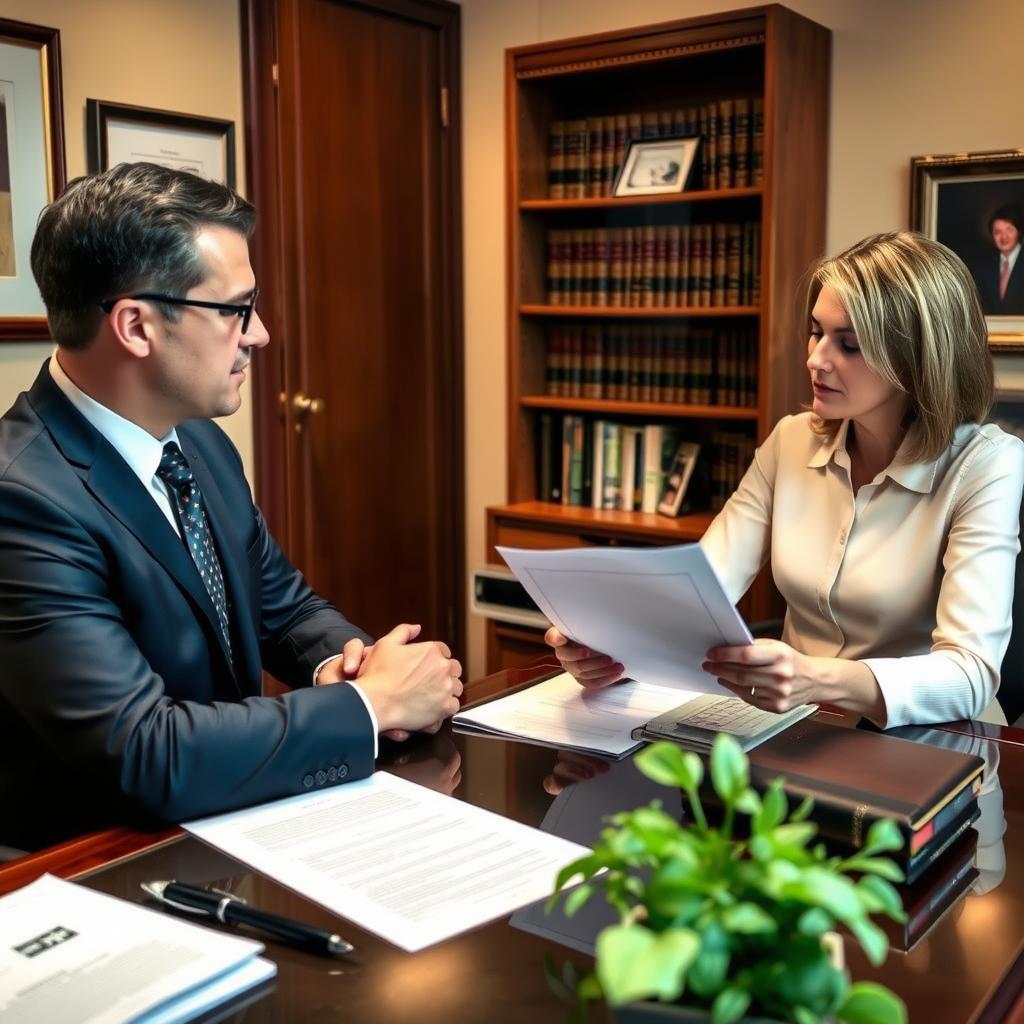
Postnuptial Agreement Lawyer Isle of Wight County, VA
A postnuptial agreement allows married couples in Virginia to define property rights, spousal support obligations, and other financial matters during the marriage—without waiting for a divorce. For residents of Smithfield, Windsor, Carrollton, and the surrounding communities in Isle of Wight County, having an experienced family law attorney draft or review a postnuptial agreement can help avoid future disputes and provide clarity. Law Offices Of SRIS, P.C. Concentrates its family law practice on marriage agreements, including postnuptial agreements, under Virginia Code § 20‑147 et seq. (the Premarital Agreement Act). Mr. Sris and his Of Counsel team represent clients throughout Isle of Wight County, appearing in the Circuit Court for all matters involving equitable distribution and spousal support. To discuss a postnuptial agreement, reach our firm at (888) 437‑7747. Law Offices Of SRIS, P.C. – Advocacy Without Borders.
Isle of Wight County General District Court is currently presided over by Hon. Robert C. Barclay IV. Court hours: Mon‑Fri 8:00 AM‑4:00 PM. Counsel appearing on family law matters should plan filings accordingly.
How a Postnuptial Agreement Works in Isle of Wight County
In Virginia, a postnuptial agreement—sometimes called a marital agreement or property settlement agreement entered into after the wedding—is a contract between spouses that addresses how assets, debts, and support will be handled if the marriage ends. Unlike a separation agreement, a postnuptial agreement is signed while the couple remains together and has no immediate plans to divorce. The agreement must be in writing, signed by both parties, and backed by full financial disclosure. Under Va. Code § 20‑150, a postnuptial agreement is enforceable if entered into voluntarily and not unconscionable when executed. Isle of Wight County Circuit Court, located at 17122 Monument Circle, Suite A, has jurisdiction over matters involving equitable distribution and spousal support. When a postnuptial agreement is properly drafted and executed, the court will ordinarily honor its terms as part of a divorce decree.
Mr. Sris and his Of Counsel bring over 120 years of combined legal experience and 4,739+ documented firm-wide results to postnuptial agreement matters. Results may vary. They work with clients to identify the assets and obligations that matter most—whether a family business, real estate holdings in Carrollton, retirement accounts, or future spousal support—and to craft terms that reflect each spouse’s intentions. Because Virginia is an equitable distribution state, not a community property state, a carefully drafted postnuptial agreement can replace the default factors the court would otherwise consider under Va. Code § 20‑107.3. Our firm handles the review and negotiation of postnuptial agreements with attention to the statutory requirements that ensure enforceability.
Frequently Asked Questions
What is a postnuptial agreement in Virginia?
A postnuptial agreement is a written contract between spouses that governs property division, spousal support, and other financial rights if the marriage ends or a spouse dies. In Virginia, these agreements are authorized under Va. Code § 20‑147 et seq. They differ from separation agreements because the couple remains together at the time of signing. The agreement can allocate separate property, define how marital property will be classified, and establish or waive spousal support. For the agreement to be binding, each party must make a fair and reasonable disclosure of their assets and liabilities, and the agreement must be entered into freely, without duress or fraud.
Do I need a lawyer to create a postnuptial agreement in Isle of Wight County?
You are not legally required to have a lawyer, but an attorney’s involvement can help ensure your postnuptial agreement is enforceable and aligns with Virginia law. Postnuptial agreements involve significant financial interests and complex statutory requirements. A lawyer can spot issues such as insufficient disclosure or terms that a court might later deem unconscionable. Mr. Sris and his Of Counsel represent clients in Isle of Wight County and review each agreement with an eye toward voluntariness, fairness, and compliance with the Virginia Premarital Agreement Act. To discuss your circumstances, reach our firm at (888) 437‑7747.
What terms can a postnuptial agreement cover in Virginia?
A postnuptial agreement can address the classification and division of property, the amount or duration of spousal support, and the disposition of assets at death or divorce. Under Va. Code § 20‑150, spouses may contract with respect to the rights and obligations of each in any property, including the right to buy, sell, or transfer property. The agreement cannot adversely affect child support or custody rights, as those are determined by the court based on the child’s best interests. Couples in Smithfield, Windsor, and Carrollton often use postnuptial agreements to clarify ownership of business interests, real estate, or inheritance rights.
Can a postnuptial agreement be changed after it is signed?
Yes, spouses can modify a postnuptial agreement by executing a new written amendment that satisfies the same statutory requirements as the original contract. Both parties must consent to the change, and the amendment must be in writing and signed. Oral modifications are not enforceable. If circumstances change—for example, a significant change in income or the acquisition of new property—the agreement can be updated to reflect the current situation. Our firm assists clients in drafting and reviewing amendments to existing postnuptial agreements to ensure the updated terms are clear and legally binding.
Will the court in Isle of Wight County enforce a postnuptial agreement?
A Virginia court will generally enforce a postnuptial agreement that was executed voluntarily, with full financial disclosure, and is not unconscionable. The Isle of Wight County Circuit Court applies the same standard to postnuptial agreements as it does to prenuptial agreements. If one spouse challenges the agreement, the court will examine the circumstances surrounding its execution, including whether each party had the opportunity to consult independent counsel. An agreement that fails to meet the statutory requirements may be set aside in whole or in part. Mr. Sris and his Of Counsel work to draft agreements that withstand judicial scrutiny.
How is a postnuptial agreement different from a separation agreement?
A postnuptial agreement is signed while the couple remains married and living together, whereas a separation agreement is prepared when spouses have already separated or are planning to divorce. The legal standards are similar—both must be in writing and signed—but the timing and purpose differ. A separation agreement often resolves all issues arising from the divorce, while a postnuptial agreement acts as a financial planning tool during an intact marriage. In Virginia, a separation agreement may be incorporated into a final divorce decree; a postnuptial agreement may also be incorporated if the marriage later ends in divorce.
What should I bring to a consultation about a postnuptial agreement?
You should gather a list of your assets and liabilities, any existing estate-planning documents, and information about your spouse’s financial circumstances. This includes bank account statements, retirement account summaries, real estate deeds, business valuation records, and tax returns. A clear picture of what each spouse owns and owes helps the attorney assess whether a postnuptial agreement is appropriate and what terms can be included. Our firm uses this information to advise clients on potential issues and to draft an agreement that accurately reflects the couple’s intentions.
Are postnuptial agreements common in Virginia?
Postnuptial agreements are less common than prenuptial agreements, but they are used regularly by spouses who want to clarify financial rights during the marriage. Couples may seek a postnuptial agreement after a significant financial event, such as an inheritance, the start of a business, or a change in tax law. Others use them to resolve disagreements about money without separating. While not every marriage needs one, a postnuptial agreement can provide peace of mind and reduce conflict if the relationship later ends.
Does Virginia require financial disclosure for a postnuptial agreement?
Virginia law requires that the parties make a fair and reasonable disclosure of their financial circumstances for a postnuptial agreement to be enforceable. The disclosure does not need to be exhaustive at a specific level of detail, but each spouse must have enough information to understand what rights they are waiving. An agreement signed without adequate disclosure runs the risk of being invalidated by the court. Mr. Sris and his Of Counsel advise clients on what constitutes sufficient disclosure under Virginia law and ensure the agreement includes a recital of the disclosure made.
What happens if a postnuptial agreement is not enforced?
If a court finds a postnuptial agreement unenforceable, the matter proceeds under Virginia’s default equitable distribution and spousal support laws, just as if no agreement existed. The court would then classify and divide marital property according to Va. Code § 20‑107.3 and consider spousal support under Va. Code § 20‑107.1. This outcome can be uncertain and may not reflect the original intent of the parties. Working with experienced counsel to draft a valid agreement from the start reduces the risk of this result. Results may vary.
How long does it take to prepare a postnuptial agreement?
The timeframe varies by case, but a straightforward postnuptial agreement can often be drafted and finalized within a few weeks. The process depends on the complexity of the assets involved and how quickly both parties provide the necessary financial information. Negotiating terms also affects the timeline. Our firm works to move the matter forward efficiently while making sure the agreement is thorough. For an estimate based on your situation, call (888) 437‑7747 to request a consultation.
Can a postnuptial agreement help avoid a contested divorce in the future?
Yes, a well‑drafted postnuptial agreement can significantly reduce the issues that need to be litigated if the marriage ends, often making the divorce uncontested. When spouses have already agreed on property division and support, there is less to fight over. The agreement can serve as the basis for a separation agreement later, experienced to a simpler, faster divorce process. Our firm advises clients on how to structure the agreement to serve as a foundation for an uncontested divorce under Virginia’s no‑fault separation grounds.
About Mr. Sris and His Of Counsel Team
Mr. Sris, Owner and Founder of Law Offices Of SRIS, P.C., has practiced family law in Virginia since 1997. A former prosecutor, he brings extensive experience to the negotiation and drafting of marital agreements. His background informs his approach to asset valuation, disclosure requirements, and the practical considerations that make postnuptial agreements enforceable. Mr. Sris and his Of Counsel team—experienced family law attorneys—collaborate on every matter, drawing on over 120 years of combined legal experience and 4,739+ documented firm-wide results. Results may vary. They appear regularly in the Isle of Wight County Circuit Court and Juvenile and Domestic Relations District Court on behalf of clients throughout Smithfield, Windsor, and Carrollton.
Virginia Primary Sources: Virginia Code Title 20 — Domestic Relations · Isle of Wight County Circuit Court · Virginia Judicial System
Attorney advertising. Prior results do not guarantee a similar outcome. Results may vary. Engaging Law Offices Of SRIS, P.C. Requires a signed engagement agreement.
Case results depend on a variety of factors unique to each case.