
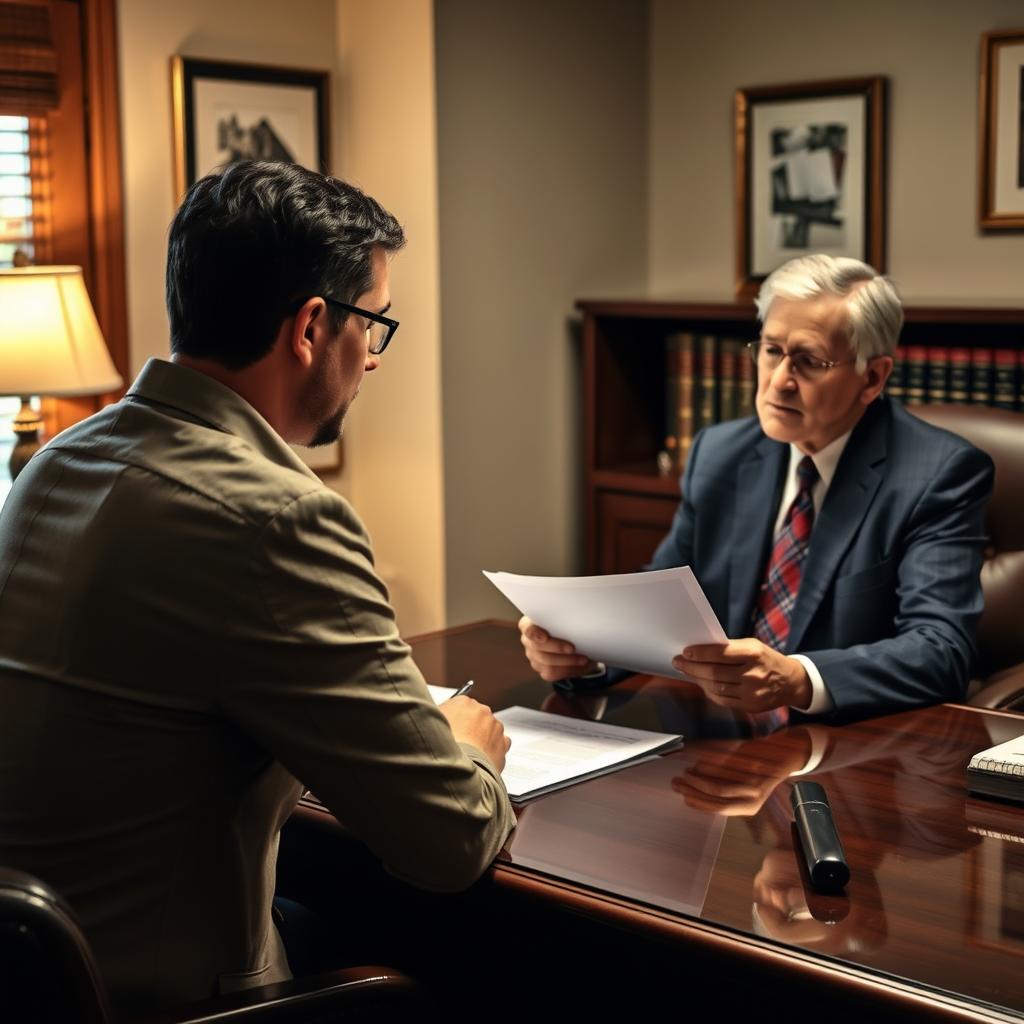
Postnup Lawyer King William County, VA
You and your spouse built a life together in King William County, and your finances look different now than when you exchanged vows. Perhaps one of you started a business, received a family inheritance, or accumulated new debt. You want to clarify how assets and obligations would be handled if the marriage were to end—but without ending the marriage now. A postnuptial agreement, also called a postmarital agreement, can provide that clarity. Law Offices Of SRIS, P.C. helps married couples in King William County draft enforceable postnuptial agreements that reflect their current circumstances and protect their interests. To discuss your specific situation, reach our location at (888) 437-7747. Law Offices Of SRIS, P.C. – Advocacy Without Borders.
How Postnuptial Agreements Work in Virginia
In Virginia, postnuptial agreements are governed by the Premarital Agreement Act, Va. Code § 20‑147 et seq. The same legal principles that apply to prenuptial agreements also apply to agreements entered into after marriage. To be enforceable, both spouses must provide full and fair disclosure of their assets and liabilities, enter into the agreement voluntarily, and the terms must not be unconscionable when executed. Virginia courts will not enforce a postnuptial agreement that was signed under duress or fraud, or where one spouse was deprived of the opportunity to consult independent counsel.
When a couple later divorces or one spouse passes away, the postnuptial agreement typically controls the division of property, allocation of debts, and sometimes spousal support, superseding the default equitable distribution rules under Va. Code § 20‑107.3. Any dispute over the validity or interpretation of a postnuptial agreement is resolved by the Circuit Court in the jurisdiction where the matter is heard. For King William County residents, the King William County Circuit Court at 351 Courthouse Lane, Suite 201, King William, VA 23086, is the court with authority over postnuptial enforcement actions, divorce-related challenges, and related equitable distribution proceedings. Mr. Sris and his Of Counsel team regularly appear before that court and understand how its judges approach family law matters.
Creating an effective postnuptial agreement requires careful drafting and a thorough understanding of Virginia’s equitable distribution factors. The agreement can address classification of separate and marital property, division of retirement accounts, business interests, real estate, inheritances, and responsibility for existing debts. It can also set terms for spousal support if the marriage ends, although Virginia law prohibits an agreement that would leave one spouse destitute. While a postnuptial agreement cannot decide child custody or child support in advance—those issues must always be determined based on the best interests of the child at the time of separation—it can provide a framework that reduces conflict later. For King William County couples, investing in a properly negotiated and executed postnuptial agreement can save substantial stress, legal fees, and uncertainty down the road.
Frequently Asked Questions
What is a postnuptial agreement?
A postnuptial agreement is a written contract between spouses that sets out how their property, debts, and financial obligations will be handled if the marriage ends or one spouse dies. It is similar to a prenuptial agreement but is signed after the wedding rather than before. In Virginia, postnuptial agreements must meet the same fairness and disclosure standards as premarital agreements to be enforceable.
Is a postnuptial agreement enforceable in Virginia?
Yes, a postnuptial agreement is enforceable in Virginia if it was entered into voluntarily by both parties, with full disclosure of assets and liabilities, and no unconscionability at the time of signing. The Virginia Premarital Agreement Act, Va. Code § 20‑147 et seq., applies to postnuptial agreements. A court will examine whether both spouses had adequate knowledge of the other’s financial situation and whether independent legal counsel was made available. If a spouse can show the agreement was signed under duress, fraud, or material lack of disclosure, a King William County judge may set it aside.
How is a postnup different from a prenup?
A prenup is signed before marriage; a postnup is signed after the wedding. Both documents address property division, spousal support, and asset protection, but a postnuptial agreement often reflects changed circumstances—such as a new business or an inheritance—that arose during the marriage. Virginia law treats both types of agreements identically under the same statutory scheme.
What can a postnuptial agreement cover in Virginia?
A postnup can cover classification of separate and marital property, division of real estate, retirement accounts, business interests, debts, and spousal support terms. It can also address how assets will be distributed upon death, which can work alongside an estate plan. However, the agreement cannot determine child custody or child support, as those issues remain subject to court review based on the child’s best interests at the time of separation.
Can a postnuptial agreement waive alimony in Virginia?
Yes, a postnuptial agreement can limit or waive spousal support, as long as the waiver is clear and made with full financial disclosure. Virginia courts will enforce an alimony waiver if it was entered into voluntarily and not unconscionable. However, a complete waiver that would leave a spouse unable to meet basic needs may be challenged. The court will review the agreement’s fairness under the circumstances that existed when it was signed.
Do I need a lawyer to create a postnuptial agreement in King William County?
While no Virginia law requires you to hire a lawyer to create a postnuptial agreement, having experienced legal representation is critical to ensure the document is valid and tailored to your situation. A self‑drafted agreement that fails to include full disclosure or is procedurally flawed can be thrown out by the King William County Circuit Court. Each spouse should have their own independent counsel to avoid a later claim of overreaching or lack of voluntariness.
What happens if my spouse refuses to sign a postnuptial agreement?
A postnuptial agreement is a voluntary contract; a spouse cannot be forced to sign. If your spouse is unwilling to negotiate, you may still be able to protect your interests through other legal tools, such as a separate property agreement or by documenting your individual assets. In some cases, the prospect of a divorce filing prompts productive discussions. An experienced family law attorney can help you evaluate your options.
Where are postnuptial agreement disputes heard in King William County?
Disputes over the enforcement or interpretation of a postnuptial agreement are heard in the King William County Circuit Court, located at 351 Courthouse Lane, Suite 201, King William, VA 23086. If the challenge arises during a divorce, the Circuit Court has exclusive jurisdiction over divorce and equitable distribution matters. A separate custody or support dispute that does not involve divorce would be handled by the King William County Juvenile and Domestic Relations District Court, but postnuptial agreement issues are typically Circuit Court matters.
Can a postnuptial agreement be modified after it is signed?
Yes, spouses can modify or revoke a postnuptial agreement by signing a written amendment that reflects their mutual intent. The same formal requirements—full disclosure, voluntariness, and no unconscionability—apply to the amendment. A modification might be appropriate when there is a major life change, such as the birth of a child or a significant increase in income.
Will a postnuptial agreement hold up if we divorce years later?
An agreement that was valid when signed will generally be upheld, even if circumstances have changed, so long as it was not procured by fraud or overreaching. A substantial and unforeseen change in circumstances is not typically enough to invalidate an otherwise valid postnup. However, a court may refuse to enforce a provision that has become unconscionable over time—for example, if one spouse would be left with nothing while the other retains all marital wealth. The King William County Circuit Court evaluates these challenges on a case‑by‑case basis.
How long does it take to prepare a postnuptial agreement?
The timeline depends on the complexity of your finances and the speed of negotiations between the spouses. A straightforward agreement can often be drafted in a few weeks once financial disclosures are exchanged, while a more involved arrangement—such as one dealing with multiple business interests or international assets—may take several months. Mr. Sris and his Of Counsel work efficiently to move the process forward without sacrificing thoroughness. To discuss a realistic timeframe for your matter, contact Law Offices Of SRIS, P.C. at (888) 437-7747.
About Mr. Sris and His Of Counsel Team
Mr. Sris, Owner and Founder of Law Offices Of SRIS, P.C., is a former prosecutor who has focused his practice on family law and related litigation for nearly three decades. He is admitted in Virginia, Maryland, the District of Columbia, New Jersey, and New York, and has helped clients across all five jurisdictions structure postnuptial agreements that stand up to court scrutiny. Mr. Sris and his Of Counsel bring over 120 years of combined legal experience backed by 4,739+ documented firm-wide results. Results may vary. The team’s familiarity with Virginia’s equitable distribution statute, Va. Code § 20‑107.3, and the procedural nuances of the King William County Circuit Court enables them to draft agreements that are practically enforceable when they matter most.
Attorney advertising. Prior results do not guarantee a similar outcome. Results may vary.
Case results depend on a variety of factors unique to each case.