
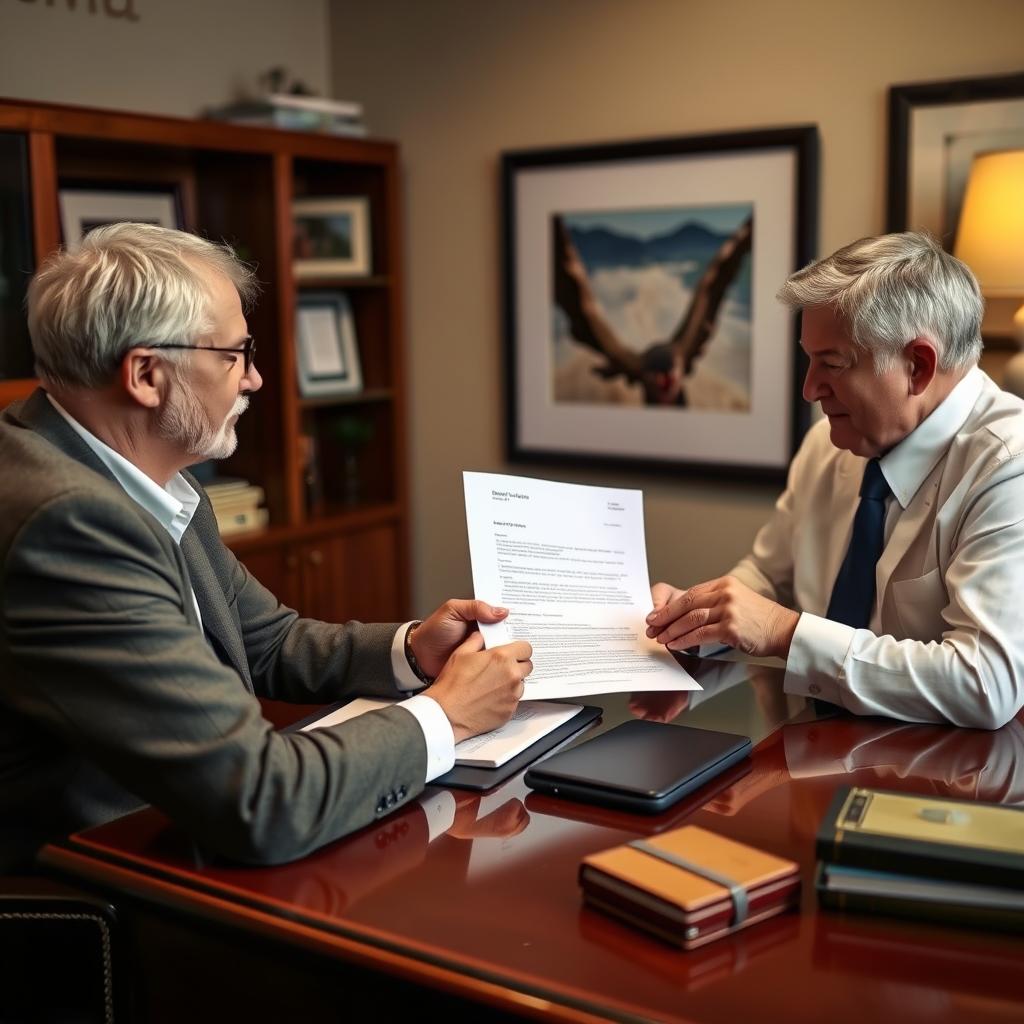
Postnup Lawyer Isle of Wight County, VA
When couples in Isle of Wight County consider the financial and personal implications of marriage, a postnuptial agreement can bring clarity and protection. Law Offices Of SRIS, P.C. serves clients across Smithfield, Windsor, Carrollton, and the surrounding communities from our Richmond location. A postnuptial agreement—”postnup”—is a written contract entered into after marriage that defines how assets, debts, and other financial matters will be handled if the marriage ends or one spouse dies. In Virginia, postnuptial agreements are governed by the same statutory framework as prenuptial agreements under Va. Code § 20-147 et seq., and the courts in Isle of Wight County apply equitable distribution principles when reviewing their enforceability. Mr. Sris, Owner and Founder of Law Offices Of SRIS, P.C., brings extensive experience in Virginia family law to help spouses understand their options and draft agreements that withstand judicial scrutiny. For a confidential consultation, call (888) 437-7747. Law Offices Of SRIS, P.C. – Advocacy Without Borders.
What Postnuptial Agreements Mean in Isle of Wight County, Virginia
In Virginia, a postnuptial agreement is a contract between spouses that must be entered into voluntarily, with full disclosure, and without fraud or duress. The same rules that apply to prenuptial agreements under the Virginia Premarital Agreement Act govern postnuptial agreements. A well-drafted postnuptial agreement can define what property is separate or marital, set spousal support terms, and address the division of debts and assets in the event of a divorce. Because Virginia is an equitable distribution state rather than a community property state, a court dividing marital property must consider several statutory factors under Va. Code § 20-107.3. A properly executed postnuptial agreement can override the default equitable distribution scheme and give spouses more control over the outcome.
Isle of Wight County residents who need to enforce or challenge a postnuptial agreement will typically appear in the Isle of Wight County Circuit Court, which has exclusive jurisdiction over divorce and equitable distribution matters. The court sits at 17122 Monument Circle, Suite A, Isle of Wight, VA 23397, within the Fifth Judicial District. Standalone custody, support, or protective order disputes that intersect with a postnuptial agreement may be heard in the Isle of Wight County Juvenile and Domestic Relations District Court. Because the validity of a postnuptial agreement often turns on the specific financial circumstances and disclosures at the time of signing, having counsel who is familiar with the local court’s expectations can help the parties present a clear and persuasive case. Mr. Sris and his Of Counsel concentrate their family law practice on helping clients in Isle of Wight County and throughout Virginia navigate these complex contractual and equitable issues. No two postnuptial agreements are alike, and the language of each agreement must be tailored to the couple’s unique situation.
How Mr. Sris and His Of Counsel Handle Postnuptial Agreement Cases
When a client contacts Law Offices Of SRIS, P.C. about a postnuptial agreement, the process begins with a thorough review of the client’s goals, the couple’s overall financial picture, and any existing estate plans or business interests. Mr. Sris and his Of Counsel work to understand what each spouse intends to achieve—whether it is preserving separate property, defining the disposition of a family business, or addressing support obligations. Virginia law requires that both parties provide fair and reasonable disclosure of their respective assets and liabilities. The firm helps clients compile and present the necessary financial information so that the final agreement can withstand later challenges based on fraud or material nondisclosure.
Drafting a postnuptial agreement in Virginia requires careful attention to statutory requirements and common-law contract principles. The agreement must be in writing and signed by both spouses, but the issues of voluntariness, timing of execution, and the presence of independent legal advice can all affect enforceability. Mr. Sris and his Of Counsel review each draft with the client to make sure the terms are clear and do not violate public policy. If a dispute over an existing postnuptial agreement reaches litigation, the firm represents clients in the Isle of Wight County Circuit Court and works to present evidence that supports the client’s position on unconscionability, waiver, or constructive fraud. Because equitable distribution proceedings can involve business valuations, retirement plan division, and professional practice appraisals, Mr. Sris and his Of Counsel coordinate with forensic accountants and other professionals as needed. The timeline for resolving a postnuptial agreement dispute depends on the court’s calendar and the complexity of the issues, but every case receives focused attention from the start.
About Mr. Sris and His Of Counsel Team
Mr. Sris, Owner and Founder of Law Offices Of SRIS, P.C., has practiced law since 1997 and is admitted in Virginia, Maryland, the District of Columbia, New Jersey, and New York. A former prosecutor, he concentrates a substantial portion of his practice on family law matters, including prenuptial and postnuptial agreements, divorce, equitable distribution, and child custody. Mr. Sris testified before the Virginia House Courts of Justice Committee in support of 2019 HB 635 (chief patron Del. David Bulova). His approach emphasizes careful preparation and clear, direct communication with every client. He keeps his personal caseload manageable so that each matter receives the attention it deserves.
Mr. Sris and his Of Counsel bring over 120 years of combined legal experience to family law representation, with 4,739+ documented firm-wide results. Results may vary. The Of Counsel attorneys—each with a distinct background that includes prior service as a prosecutor, state trooper, and litigator—support the firm’s postnuptial agreement work by analyzing financial documents, identifying potential enforcement issues, and preparing for court proceedings. The firm’s Richmond location at 7400 Beaufont Springs Drive, Suite 300, Room 395, Richmond, VA 23225 serves Isle of Wight County and surrounding areas. All consultations are by appointment.
Frequently Asked Questions
What is the difference between a prenuptial and a postnuptial agreement in Virginia?
A prenuptial agreement is signed before marriage, while a postnuptial agreement is signed after the wedding. In Virginia, both types of agreements are governed by the same statutory framework—the Virginia Premarital Agreement Act, Va. Code § 20-147 et seq. The substantive requirements are nearly identical: full financial disclosure, voluntariness, and no fraud or duress. A postnuptial agreement is often used when circumstances change after marriage, such as one spouse starting a business, receiving an inheritance, or when the couple wants to clarify property rights without immediately seeking a divorce. Enforcement of either type of agreement requires the same level of procedural fairness, and a court will review the instrument for unconscionability under Virginia law.
Are postnuptial agreements enforceable in Isle of Wight County, Virginia?
Yes, a properly drafted and executed postnuptial agreement is generally enforceable under Virginia law. The Isle of Wight County Circuit Court applies the same standards as any Virginia court when determining whether to enforce a postnuptial agreement. The court examines whether there was full and fair disclosure, whether the agreement was entered into voluntarily, and whether the terms are so one-sided as to be unconscionable. If the agreement was made under duress, coercion, or without adequate financial disclosure, a spouse may challenge its validity. For these reasons, working with an experienced family law attorney during the drafting stage is the most reliable way to create an agreement that will hold up if later contested. For guidance on your specific situation, reach Law Offices Of SRIS, P.C. at (888) 437-7747.
When should my spouse and I consider a postnuptial agreement?
Couples typically consider a postnuptial agreement after a significant life event that changes the financial landscape of the marriage. This can include starting or selling a business, receiving a large gift or inheritance, one spouse deciding to stay home to raise children, or a substantial change in either spouse’s income. A postnuptial agreement can provide peace of mind by clarifying how assets are to be classified and divided if the marriage ends. In Virginia, because equitable distribution gives the court broad discretion, a well-drafted postnuptial agreement removes uncertainty and allows the couple to establish their own financial framework. It is especially helpful in second marriages or when one spouse brings substantial separate property into the union.
What should I do to prepare for drafting a postnuptial agreement with an attorney?
You will want to gather a full inventory of assets, debts, income sources, and any existing estate planning documents. Start by listing bank accounts, retirement accounts, real property, vehicles, business interests, stock options, and any separate property you owned before the marriage. In Virginia, full and fair financial disclosure is a prerequisite for an enforceable postnuptial agreement, so being thorough and honest from the beginning is crucial. You should also think about the goals you want the agreement to achieve—whether it is defining certain property as separate, setting spousal support terms, or protecting a family business. To discuss the details of your matter, contact Law Offices Of SRIS, P.C. at (888) 437-7747.
Can a postnuptial agreement help avoid litigation in a Virginia divorce?
Yes, a clear, properly executed postnuptial agreement can significantly reduce the scope of contested issues in a divorce. Because it defines which assets are marital and separate, resolves spousal support questions, and sets property division rules in advance, there is less for a court to decide. Many divorces in Isle of Wight County that occur after a postnuptial agreement is signed resolve more quickly and with less conflict because the parties have already agreed on financial terms. However, if one spouse challenges the agreement, litigation may still be necessary. Mr. Sris and his Of Counsel work hard to draft agreements that minimize the risk of later disputes.
Do both spouses need separate lawyers when creating a postnuptial agreement in Virginia?
Virginia law does not mandate separate lawyers, but having independent legal advice strengthens the enforceability of the agreement. When each party is represented by his or her own attorney, a later claim that the agreement was signed under duress or without understanding its terms is much weaker. The Virginia courts consider whether each spouse had a fair opportunity to consult with counsel. While one attorney can draft the agreement and the other spouse can waive the right to independent counsel, the best practice is for both parties to have separate representation. For a consultation, reach Mr. Sris and his Of Counsel at (888) 437-7747.
Family Law Lawyer Fairfax County, VA · Family Law Lawyer Prince William County, VA · Family Law Lawyer Manassas, VA
Additional resources: Virginia Code Title 20 (Domestic Relations) · Virginia Courts · SCC business filings
Attorney advertising. Prior results do not guarantee a similar outcome.
Case results depend on a variety of factors unique to each case.