
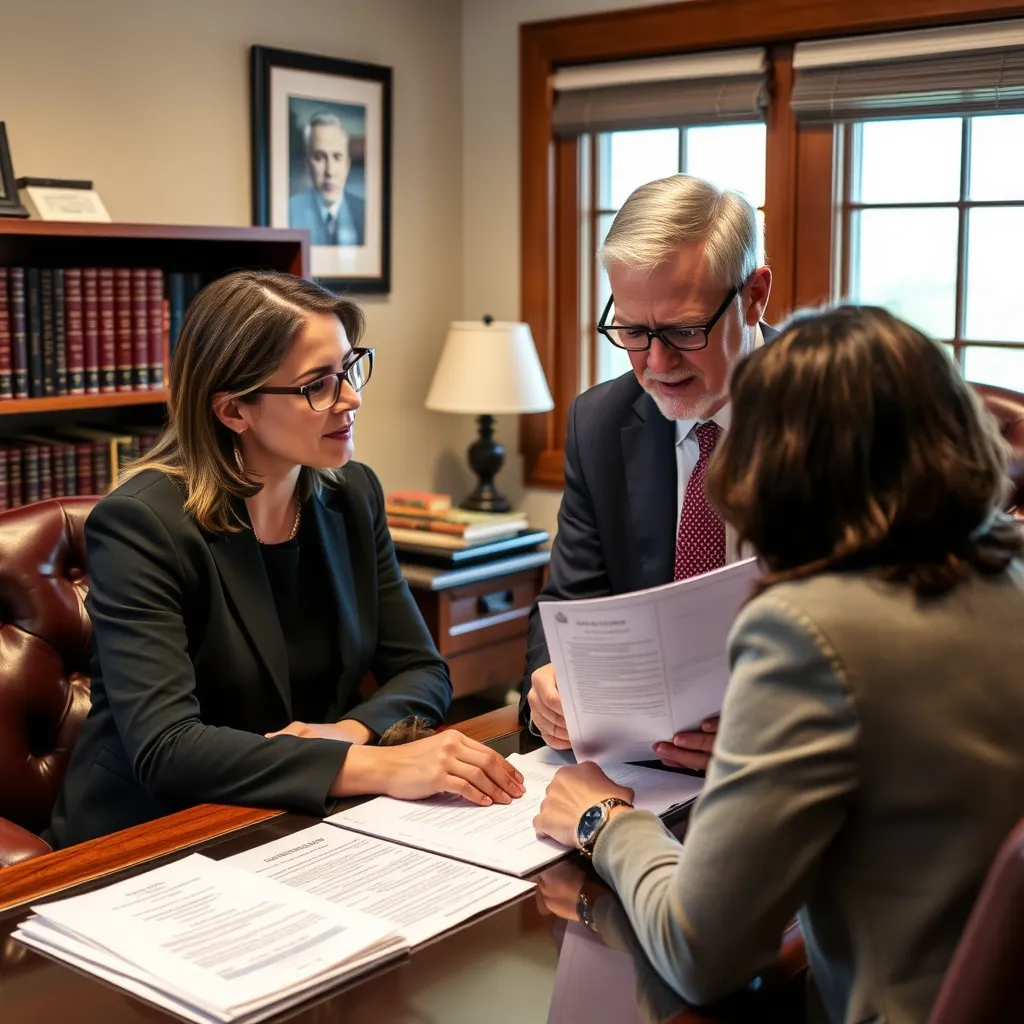
Note: This article is confirmed by Law Offices Of SRIS, P.C.
WRITTEN BY: Mr. Sris
Since 1997, Mr. Sris has led the firm, focusing on the most challenging criminal and family law cases… His background in accounting and information management aids in financial and technology-related cases… Involved in significant legislative changes in Virginia.
Insight: My focus since founding the firm in 1997 has always been directed towards personally handling the most challenging and involved criminal and family law matters our clients face.
Insight: I find my background in accounting and information management provides a unique advantage when handling the intricate financial and technological aspects inherent in many modern legal cases.
Insight: As someone deeply involved in the community, I believe it’s important to not only practice law but also to actively participate in shaping it, which is why I dedicated effort towards amending Virginia Code § 20-107.3 and achieving state recognition for cultural milestones.
parenting time lawyer Poquoson VA
What is parenting time in Virginia
Parenting time arrangements in Virginia establish structured visitation schedules for separated or divorced parents. These legal agreements specify when children will spend time with each parent, including regular visits, holidays, school breaks, and special occasions. The court system prioritizes children’s welfare when determining appropriate schedules.
Parents can create parenting time agreements through negotiation, mediation, or court proceedings. Written plans should include pickup and drop-off times, locations, and transportation arrangements. Holiday schedules typically rotate annually to ensure both parents have meaningful time with their children during important occasions. Summer vacation periods require special consideration for extended visitation.
When parents cannot agree on arrangements, courts intervene to establish schedules. Judges consider multiple factors including children’s ages, school activities, parental work schedules, and geographic distance between homes. The goal is creating consistent routines that minimize disruption to children’s lives while maintaining strong relationships with both parents.
Legal professionals help parents develop realistic schedules that work for their specific circumstances. They understand Virginia’s family law guidelines and court expectations. Proper documentation prevents misunderstandings and provides clear guidelines for both parties to follow.
Reality Check: Parenting time schedules require flexibility as children grow and family circumstances change. What works for toddlers may not suit teenagers with busy extracurricular schedules.
How to establish parenting time arrangements
The process for establishing parenting time arrangements involves several steps. First, parents should attempt to create a mutually acceptable schedule through direct discussion or mediation. This cooperative approach often results in more flexible arrangements that better accommodate family needs. When agreement proves impossible, court intervention becomes necessary.
Parents should document proposed schedules in writing, including specific dates, times, and locations for visitation. Holiday and vacation schedules require particular attention, with clear rotation plans for major holidays like Christmas, Thanksgiving, and school breaks. Transportation arrangements and cost-sharing should be addressed to prevent future disputes.
Court proceedings begin with filing appropriate paperwork in the jurisdiction where children reside. Parents present their proposed schedules and supporting evidence about why their plan serves children’s best interests. Courts consider factors like parental availability, children’s school and activity schedules, and geographic distance between homes.
Mediation services provide neutral assistance for parents struggling to reach agreements. Trained mediators help parents communicate effectively and develop workable solutions. Many Virginia courts require mediation attempts before scheduling hearings for contested cases.
Straight Talk: Detailed written agreements prevent misunderstandings. Include specific pickup times, locations, and procedures for schedule changes to avoid conflicts.
Can I modify existing parenting time orders
Modification of existing parenting time orders is possible when substantial changes in circumstances occur. Virginia courts recognize that family situations evolve over time, and arrangements that worked previously may become impractical. Common reasons for modification include parental relocation, changes in work schedules, children’s educational needs, or health considerations.
The legal standard for modification requires demonstrating a material change in circumstances affecting children’s welfare. Parents must show how current arrangements have become unworkable or detrimental. Courts carefully evaluate whether proposed changes truly benefit children rather than simply accommodating parental preferences.
Modification requests follow formal legal procedures. Parents file petitions with the court that issued the original order, presenting evidence supporting the need for change. This may include documentation of new work schedules, school records, medical reports, or other relevant information. The other parent has opportunity to respond and present counter-arguments.
When both parents agree to modifications, the process typically proceeds more smoothly. However, courts still review agreed-upon changes to ensure they serve children’s best interests. Contested modifications may require mediation or hearings where both sides present their positions.
Blunt Truth: Courts hesitate to modify established routines without strong evidence. Frequent or minor schedule changes can disrupt children’s stability and are generally discouraged.
Why hire legal help for parenting time matters
Legal representation provides valuable assistance in parenting time matters. Professionals understand Virginia’s family law framework and court expectations for visitation arrangements. They help parents develop schedules that balance children’s needs with parental rights while complying with legal requirements.
Attorneys assist with proper documentation of parenting time agreements. Written schedules should include specific details about visitation times, locations, transportation arrangements, and procedures for schedule changes. Clear documentation prevents misunderstandings and provides enforceable guidelines for both parents.
When disputes arise, legal professionals help address conflicts through negotiation or formal proceedings. They present evidence effectively in court, focusing on how proposed arrangements serve children’s best interests. Representation ensures parents’ rights receive proper consideration throughout legal processes.
Modification requests benefit from legal guidance to demonstrate necessary changes. Professionals help gather appropriate evidence and present compelling arguments for schedule adjustments. They understand what courts consider substantial changes warranting modification of existing orders.
Reality Check: Parenting time arrangements affect children’s daily lives and family relationships. Professional guidance helps create sustainable schedules that work for everyone involved.
FAQ:
What factors do Virginia courts consider for parenting time?
Courts evaluate children’s ages, school schedules, parental availability, and geographic distance. They prioritize arrangements that maintain stability and support children’s relationships with both parents.
How are holiday schedules determined?
Holiday schedules typically rotate annually between parents. Courts consider family traditions and children’s preferences when creating holiday visitation arrangements.
Can parenting time affect child support?
Parenting time arrangements can influence child support calculations in some circumstances. Overnight visitation frequency may factor into support determinations.
What happens if a parent violates parenting time orders?
Courts can enforce parenting time orders through various measures. Repeated violations may lead to modified arrangements or other legal consequences.
How do relocation requests affect parenting time?
Parental relocation requires court approval for significant distance moves. Courts modify schedules to maintain children’s relationships with both parents.
Can grandparents request parenting time?
Virginia law allows grandparents to petition for visitation rights in specific circumstances. Courts consider children’s best interests when evaluating these requests.
What mediation options exist for parenting time disputes?
Virginia courts often require mediation attempts before hearings. Mediators help parents develop mutually acceptable visitation schedules.
How are summer vacation schedules created?
Summer schedules typically include extended visitation periods. Courts consider children’s camps, activities, and family vacation plans when creating arrangements.
Can parenting time orders include transportation provisions?
Yes, orders often specify transportation responsibilities. Clear guidelines prevent disputes about pickup and drop-off arrangements.
What documentation helps with parenting time cases?
Keep records of visitation schedules, communications, and any violations. Documentation supports requests for enforcement or modification of orders.
How do courts handle parental work schedule conflicts?
Courts consider parental availability when creating schedules. Alternative arrangements may accommodate non-traditional work hours.
What happens during parenting time modification hearings?
Both parents present evidence about why changes are needed. Courts evaluate whether proposed modifications serve children’s best interests.
Past results do not predict future outcomes