
Note: This article is confirmed by Law Offices Of SRIS, P.C.
AUTHOR BIO:WRITTEN BY
Since 1997, Mr. Sris has led the firm, focusing on the most challenging criminal and family law cases. His background in accounting and information management aids in financial and technology-related cases. Involved in significant legislative changes in Virginia. My focus since founding the firm in 1997 has always been directed towards personally handling the most challenging and involved criminal and family law matters our clients face.
Marital Agreement Lawyer Virginia
What is a Marital Agreement
Marital agreements, commonly called prenuptial or postnuptial agreements, are legal documents that establish financial terms between spouses. In Virginia, these contracts must meet specific legal standards to be enforceable. The agreements typically cover property division, spousal support, and inheritance rights. They provide certainty about financial matters that could otherwise create conflict.
The process begins with both parties providing complete financial information. This transparency is required under Virginia law. Each spouse should have separate legal representation to ensure their interests are protected. The agreement must be in writing and signed voluntarily by both parties. Courts examine whether both individuals understood the terms and consequences.
Virginia courts consider several factors when reviewing marital agreements. The timing of the agreement matters, particularly whether it was signed shortly before marriage. The presence of independent legal advice for both parties strengthens the document’s validity. Full financial disclosure is essential, as hidden assets can invalidate the entire agreement. Fairness in the terms also influences enforceability.
Legal professionals familiar with Virginia family law can draft agreements that withstand scrutiny. They understand how courts interpret various provisions and what language creates enforceable terms. Proper documentation helps prevent future litigation over the agreement’s validity. These contracts provide peace of mind by establishing clear expectations.
How to Create a Valid Marital Agreement
The first step in creating a marital agreement is comprehensive financial disclosure. Both parties must list all assets, debts, income sources, and financial obligations. This includes bank accounts, investments, real estate, business interests, retirement accounts, and personal property. Complete transparency prevents claims of fraud or misrepresentation later.
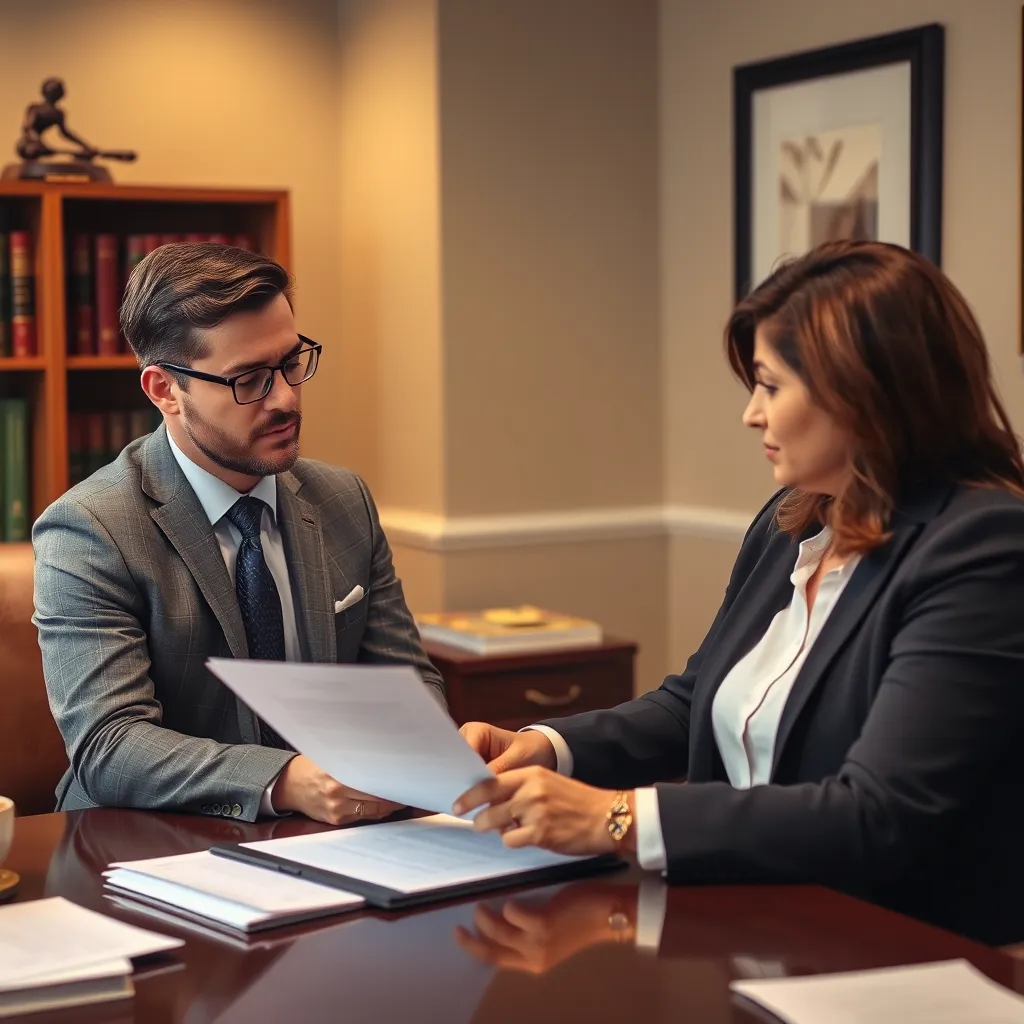
Independent legal representation is required for both spouses. Virginia courts view agreements skeptically when one party lacks counsel. Each attorney reviews the proposed terms, explains legal consequences, and ensures their client understands the agreement. This protects against claims of coercion or lack of understanding. The attorneys negotiate terms that balance both parties’ interests.
The agreement must address only subjects permitted by Virginia law. These typically include property division, spousal support, and inheritance rights. Provisions about child custody or child support are generally unenforceable, as courts determine these based on the child’s best interests at the time of separation. The agreement cannot include illegal provisions or violate public policy.
Proper execution involves signing before a notary public. Both parties should sign voluntarily without pressure or duress. The timing matters, particularly for prenuptial agreements signed close to the wedding date. Courts may question agreements signed immediately before marriage ceremonies. Allowing sufficient time for review and consideration strengthens the document’s validity.
Can I Modify an Existing Marital Agreement
Marital agreements are not necessarily permanent documents. Virginia law permits modifications when both spouses agree to changes. The process for amending an existing agreement follows similar requirements as creating the original document. Both parties must provide updated financial information and obtain independent legal advice. The modification must be in writing and properly executed.
Common reasons for modifying marital agreements include significant financial changes, career transitions, health issues, or family circumstances. If one spouse receives a substantial inheritance or starts a successful business, the original terms might no longer reflect the financial reality. Health changes that affect earning capacity could justify adjustments to support provisions. The birth of children often prompts revisions to address new responsibilities.
The modification process begins with both parties discussing desired changes. Each spouse should consult their own attorney to understand the implications of proposed amendments. The attorneys draft language that clearly states what provisions are being modified and how. The amended agreement should reference the original document and specify which sections are being changed. Proper execution with notarization is essential.
Courts generally enforce properly modified agreements that meet Virginia’s legal standards. The same requirements for full disclosure, voluntary consent, and independent counsel apply to amendments. Both parties must understand how the changes affect their rights and obligations. Regular reviews of marital agreements help ensure they remain appropriate as circumstances evolve.
Why Hire Legal Help for Marital Agreements
Professional legal assistance provides several advantages when creating marital agreements. Attorneys understand Virginia’s specific requirements and how courts interpret various provisions. They draft language that clearly expresses the parties’ intentions while complying with legal standards. This prevents ambiguity that could lead to disputes later. Legal professionals identify potential issues that individuals might overlook.
Independent representation ensures each spouse’s interests are protected. Without separate counsel, courts may question whether both parties understood the agreement’s implications. Attorneys explain legal consequences and help clients make informed decisions. They negotiate terms that balance both parties’ needs while creating a fair document. This collaborative approach often produces better outcomes than unilateral drafting.
Legal professionals help ensure complete financial disclosure, which is essential for validity. They know what information must be included and how to document it properly. Attorneys can identify assets or debts that might be overlooked. They also help structure provisions that address involved financial situations, such as business interests, retirement accounts, or investment portfolios. This thorough approach prevents future challenges based on inadequate disclosure.
Working with experienced attorneys provides peace of mind that the agreement will serve its intended purpose. They anticipate how life changes might affect the agreement’s terms and suggest provisions that accommodate potential future circumstances. Legal guidance helps create documents that reduce conflict and provide clarity. This investment often prevents costly litigation if the relationship ends or circumstances change significantly.
FAQ:
What is the difference between prenuptial and postnuptial agreements?
Prenuptial agreements are signed before marriage, while postnuptial agreements are created after marriage. Both serve similar purposes under Virginia law.
How much does a marital agreement cost in Virginia?
Costs vary based on challenge and attorney rates. Simple agreements may cost less than involved ones involving substantial assets.
Can marital agreements address child custody?
No, Virginia courts determine child custody based on the child’s best interests at the time of separation.
What happens if I don’t disclose all assets?
Incomplete disclosure can invalidate the entire agreement. Virginia requires full financial transparency.
Can I create my own marital agreement?
While possible, self-drafted agreements often contain errors that make them unenforceable in Virginia courts.
How long does the process take?
The timeline depends on challenge but typically takes several weeks to ensure proper review and disclosure.
What makes a marital agreement invalid?
Lack of disclosure, coercion, unfair terms, or missing independent counsel can invalidate agreements.
Can marital agreements be challenged in court?
Yes, agreements can be challenged if they don’t meet Virginia’s legal requirements for validity.
Do both spouses need lawyers?
Yes, Virginia courts strongly recommend independent legal counsel for both parties to ensure validity.
What financial information must be disclosed?
All assets, debts, income sources, and financial obligations must be fully documented and shared.
Can agreements address future inheritance?
Yes, marital agreements can specify how future inheritances will be treated during marriage or divorce.
How often should agreements be reviewed?
Review every 3-5 years or after major life changes like career shifts, inheritance, or health issues.
Past results do not predict future outcomes