
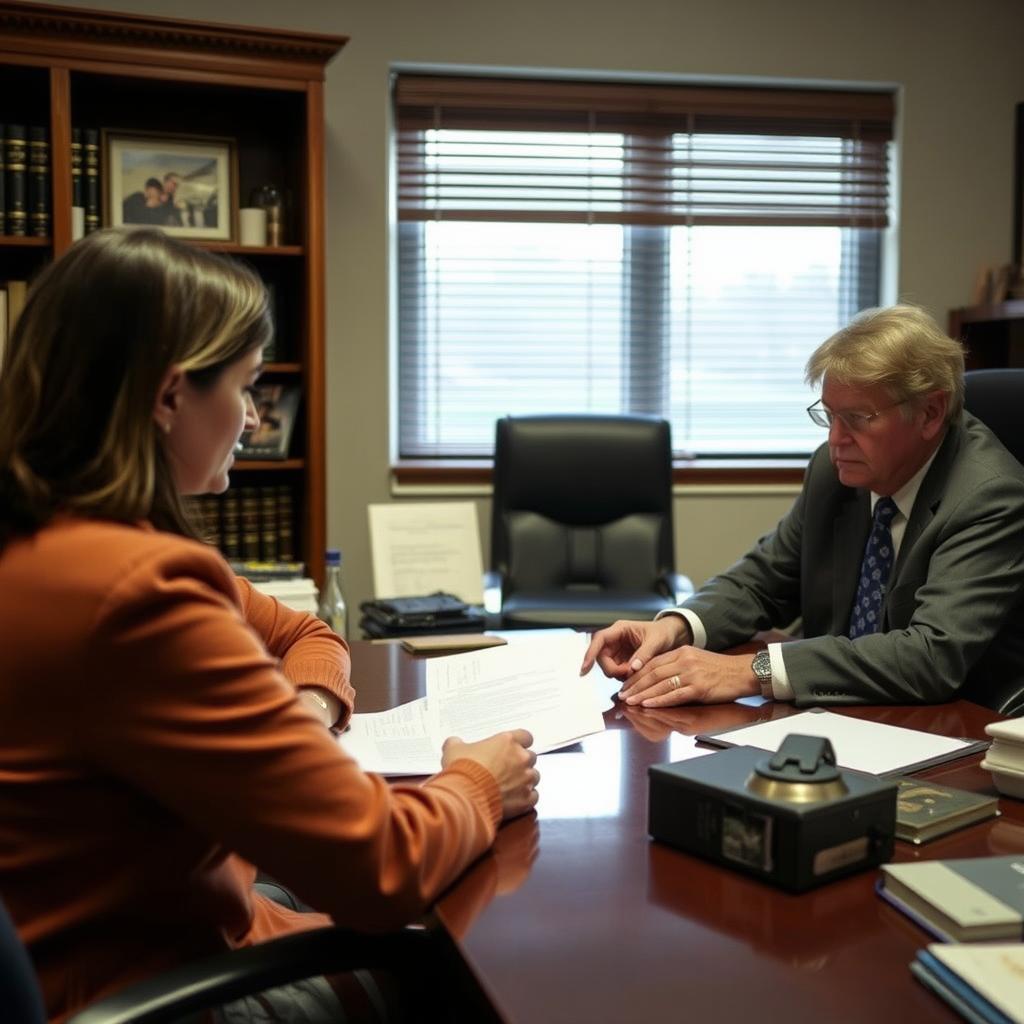
How is child custody decided in Chenango County
In Chenango County, New York, child custody is determined by the best interests of the child—a standard that requires a judge to evaluate a range of factors concerning the child’s safety, emotional ties, and each parent’s ability to provide a stable home. The Chenango County Family Court handles custody petitions that are not part of a divorce, and when custody is contested as part of a divorce, the matter is decided in the New York Supreme Court. Parents, guardians, and other interested parties navigate a process that can include home studies, interviews with the child, and testimony from mental-health professionals. Understanding how the local courts apply the law can help you prepare for what lies ahead. Mr. Sris and his experienced Of Counsel team represent clients in custody matters across New York, including Chenango County. To discuss your situation, reach Law Offices Of SRIS, P.C. at (888) 437-7747. Law Offices Of SRIS, P.C. – Advocacy Without Borders.
Understanding child custody in Chenango County
Child custody cases in New York are governed by the Domestic Relations Law and the Family Court Act. The state’s central rule, found in DRL § 240, requires the court to make a custody or visitation order that serves the best interests of the child. This is not a single-factor test; judges look at the whole picture. In Chenango County, the Family Court hears support, paternity, and order-of-protection matters alongside custody when the parents are unmarried or when a non-parent seeks custody. Contested divorce custody matters, however, are heard in the New York Supreme Court, which has jurisdiction over matrimonial actions.
When a judge in a Chenango County courtroom evaluates the best interests of a child, common considerations include the child’s age and health, each parent’s physical and mental capacity, the quality of the parent-child relationship, the stability of the proposed home, the child’s ties to school and community, and any history of domestic violence. The court may also look at a parent’s willingness to support the child’s relationship with the other parent. Unlike some jurisdictions, New York does not apply a rigid formula; the analysis is flexible and fact-intensive. Local judges often rely on reports from the county’s probation department or from an appointed attorney for the child—formerly called a law guardian—to gauge what arrangement would best protect the child’s welfare.
How custody disputes proceed in Chenango County courts
Whether a case starts in Family Court or as part of a divorce in Supreme Court, the process generally begins with the filing of a petition or complaint. The parent seeking custody—or responding to a petition—should be prepared to present evidence about the child’s daily routine, each parent’s involvement, and any safety concerns. The court may issue a temporary order early in the case to stabilize the child’s living situation. Parents are sometimes required to attend a parenting-education program. If the parties cannot reach an agreement, a trial is held where each side presents witnesses and documents, and a judge makes the final determination.
The timeline for a custody case in Chenango County depends on court scheduling, the complexity of the issues, and whether any allegations of abuse require a fact-finding hearing. Cases can be resolved faster when parents negotiate a parenting plan. Mediation may be available, though it is not mandatory. Proceeding with an attorney who knows the local court’s expectations—such as how to present a parenting plan or to argue for supervised visitation when necessary—can help a parent navigate the system more effectively.
Frequently asked questions
What factors does a Chenango County judge evaluate in a custody case?
New York judges decide custody based on the best interests of the child. The analysis looks at the child’s age and health, each parent’s fitness, the emotional bond between parent and child, the stability of the home environment, the child’s schooling and community ties, and any history of domestic violence or substance abuse. A judge may also consider the child’s wishes if the child is mature enough to express a reasoned preference. In Chenango County, the court often relies on the report of an attorney for the child and, in contested matters, may order a home study by the probation department to gain a closer view of each household.
How does a custody case begin in Chenango County?
A parent or guardian starts a custody case by filing a petition in the Chenango County Family Court or, if a divorce is pending, by requesting custody as part of the divorce complaint in Supreme Court. The petition must describe who the child is, the current living arrangement, and why the petitioner believes a custody order is needed. After filing, the other parent is served with the papers and has an opportunity to respond. At the first court appearance, a judge may set a schedule, order a temporary arrangement, and appoint an attorney for the child. Early legal guidance helps a parent prepare a petition that meets the court’s procedural requirements.
Can a custody order from Chenango County be modified later?
Yes, a parent can ask the court to modify an existing custody order if there has been a significant change in circumstances that affects the child’s welfare. Examples include a parent’s relocation, a change in the child’s needs, or evidence that the custodial parent is unable to provide a safe environment. The parent seeking the modification must file a petition showing the new facts. The court will not re-visit custody simply because one parent is unhappy with the current arrangement; the change must be material and the proposed modification must continue to serve the child’s best interests.
Does Chenango County favor joint custody?
New York law encourages both parents to remain involved in a child’s life unless joint decision-making or shared physical custody would not be in the child’s best interests. Joint legal custody means both parents share the right to make major decisions about education, health care, and religion. Joint physical custody means the child spends substantial time with each parent. Chenango County courts look to whether the parents can communicate and cooperate. If there is a history of conflict or domestic abuse, the court may award sole custody to one parent, with appropriate visitation for the other.
What is an attorney for the child and when is one appointed?
An attorney for the child—often still called a law guardian—is a lawyer assigned by the court to represent the child’s interests. In custody disputes, the judge may appoint an attorney for the child if the child’s wishes need a voice or if the case involves complex allegations. The attorney meets with the child, may interview the parents and other witnesses, and makes a recommendation to the court about what custody and visitation arrangement would serve the child’s best interests. The attorney’s report carries weight, though the judge is not bound by it.
Will the court listen to my child’s preference?
A judge may take into account a child’s preference if the child is mature enough to express a reasoned opinion. There is no fixed age; the court assesses whether the child understands the situation and can articulate a genuine preference rather than simply repeating what a parent wants. Typically, an attorney for the child conveys the child’s views to the court. In some circumstances, the judge may interview the child in chambers, but this is done carefully to avoid putting the child in the middle of the parents’ conflict.
How does domestic violence affect custody decisions in Chenango County?
Domestic violence is a critical factor in the trusted-interest analysis and can lead to sole custody or supervised visitation. If a parent has committed an act of domestic violence against the other parent or the child, the court presumes that placing custody with the abusive parent is not in the child’s best interests. A parent can also seek a family offense petition—an order of protection—in Family Court. Evidence of abuse may include police reports, medical records, and testimony. The court’s priority is the child’s safety, and it will structure any contact orders accordingly.
Do I need a lawyer to handle a custody case in Chenango County?
You are not required to have a lawyer, but going through a custody case without counsel can be difficult. The procedural rules of Family Court and Supreme Court are strict, and a parent who is unfamiliar with them may miss deadlines or fail to present important evidence. An experienced attorney handles the paperwork, gathers the necessary records, prepares witnesses, and argues for an arrangement that protects your parental rights. Mr. Sris and his Of Counsel team represent parents in custody matters from the initial petition through trial. Reach Law Offices Of SRIS, P.C. at (888) 437-7747 to discuss your case.
Representation from Mr. Sris and his Of Counsel team
Mr. Sris is a former prosecutor and the Owner and Founder of Law Offices Of SRIS, P.C. He is admitted to practice in Virginia, Maryland, the District of Columbia, New Jersey, and New York. Since 1997, he has represented individuals, including those in New York’s family courts, with a practical, straightforward approach. His background in accounting and information systems also brings a careful, detail-oriented eye to financial disclosures and support-related issues that often accompany custody disputes.
On family law matters in Chenango County, Mr. Sris works with a team of experienced Of Counsel attorneys who collectively bring a broad range of litigation and negotiation experience. The firm’s multi-state presence allows it to handle cases that involve relocation or jurisdictional questions across New York and neighboring states. Every attorney at the firm has well over a decade of practice experience.
To learn how the team can help with your custody matter, call (888) 437-7747.
Related pages
Family Law representation in New York County |
Family Law representation in Kings County |
Family Law representation in Queens County |
Family Law representation in Nassau County
Attorney advertising. Prior results do not guarantee a similar outcome. Case results depend on a variety of factors unique to each case. Attorney responsible for this advertising: Mr. Sris.
Results may vary.