
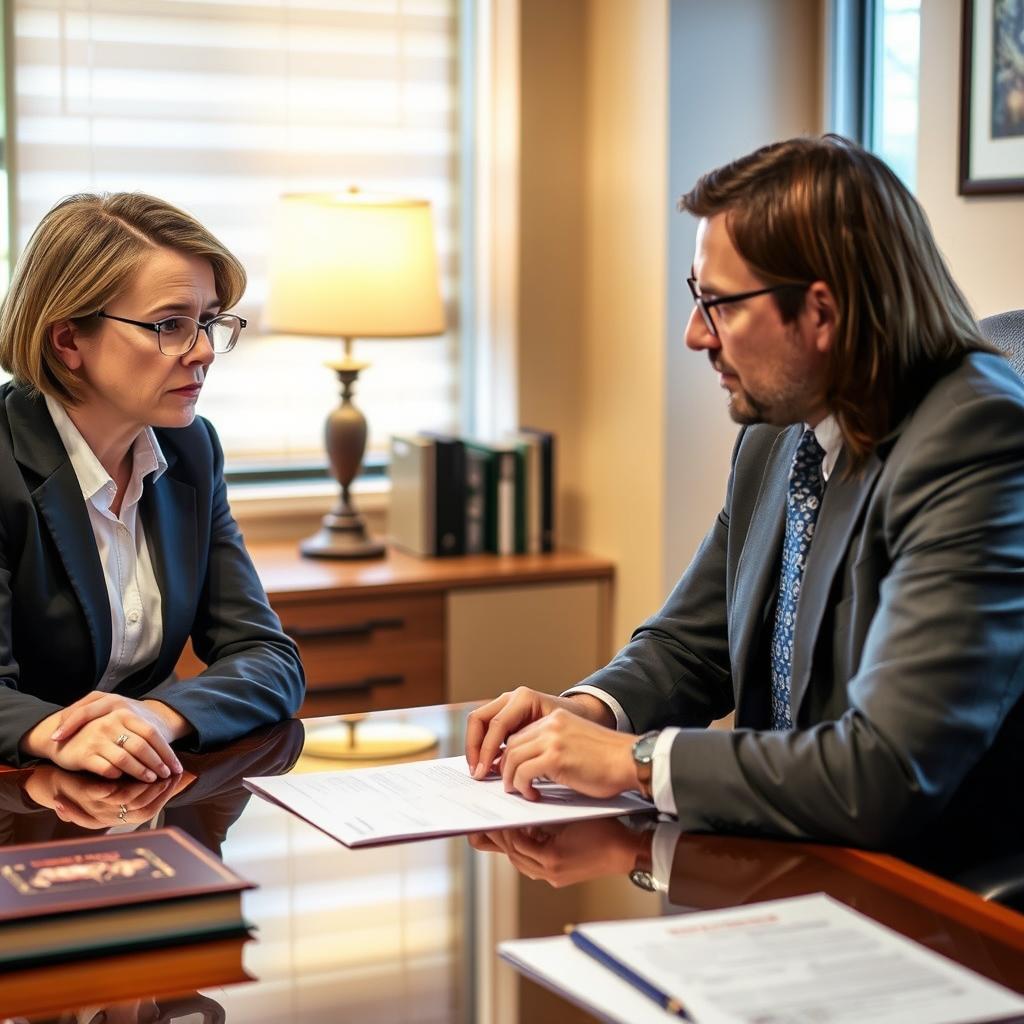
How is child custody decided in Cayuga County
Child custody in Cayuga County, New York, is decided based on the best interests of the child. A Cayuga County Family Court judge or, in a divorce case, a New York Supreme Court justice will consider the child’s safety, emotional and physical needs, the home environment each parent provides, and the child’s relationship with each parent. The court does not favor either parent simply because of gender. Instead, it looks at what arrangement will promote the child’s stability and welfare. Parents who cannot agree on custody must present their case to the court, which may also consider the child’s wishes if the child is mature enough. Law Offices Of SRIS, P.C. assists parents and families with custody matters throughout Cayuga County. Reach our firm at (888) 437‑7747 to request a consultation. Law Offices Of SRIS, P.C. – Advocacy Without Borders.
Understanding how child custody is determined in Cayuga County
New York’s custody framework is set out in the Domestic Relations Law and the Family Court Act. The central principle is the trusted‑interests‑of‑the‑child standard. Unlike some states that list a fixed number of factors, New York courts weigh a broad range of considerations, including the child’s age, health, and developmental needs; each parent’s ability to provide a stable home; the child’s relationship with siblings and extended family; any history of domestic violence or substance abuse; and the child’s own preference if of sufficient age and maturity. In Cayuga County, custody proceedings typically begin in Family Court unless a divorce is pending in Supreme Court; in that case, custody is decided as part of the matrimonial action.
When parents cannot reach an agreement, the court may order a forensic evaluation or appoint an attorney to represent the child. The judge will examine evidence from both sides and make a finding that serves the child’s welfare. A custody order can cover legal custody—the right to make major decisions about the child’s education, health care, and religion—and physical custody, which addresses where the child lives day to day. Orders can be modified if circumstances change significantly, but a parent seeking modification must show that the change is in the child’s best interests. Our firm has experience handling custody disputes in Cayuga County courts and can explain how the local bench typically approaches these cases.
Frequently Asked Questions
What factors does a Cayuga County judge consider when deciding custody?
Cayuga County judges evaluate custody based on the best interests of the child, weighing the child’s safety, emotional bonds with each parent, each home’s stability, and any history of abuse or neglect. New York law does not contain a rigid checklist; instead, the court looks at the totality of the circumstances. A parent’s willingness to support the child’s relationship with the other parent, the child’s adjustment to home, school, and community, and the mental and physical health of all parties are all relevant. The judge may also interview the child privately if the child is of suitable age.
Is there a legal preference for mothers in Cayuga County custody cases?
No. New York law does not favor mothers over fathers in custody determinations. The standard is gender‑neutral; a parent’s sex is not a factor. The court focuses on which living arrangement will better serve the child’s needs. A father who has been the primary caregiver or who can offer a more stable environment may be awarded custody. Our firm has represented both mothers and fathers in custody proceedings and understands how to present each parent’s strengths fairly.
How does a parent’s relocation affect custody in Cayuga County?
If a custodial parent plans to move with the child outside of Cayuga County or a significant distance away, the court must determine whether the relocation serves the child’s best interests. A parent seeking to relocate must demonstrate that the move will enhance the child’s life emotionally, educationally, or financially, and that it will not unduly disrupt the child’s relationship with the non‑moving parent. The court examines the reasons for the move, the child’s ties to the current community, and the feasibility of a revised visitation schedule. A modification proceeding is often required.
Can a child’s preference influence custody decisions in Cayuga County?
Yes, a child’s wishes can be considered if the child is mature enough to express a reasoned preference. New York judges are not bound by a child’s stated choice, but they may weigh it together with the child’s age, intelligence, and reasons for the preference. Typically, an older child’s view carries more weight. The court may conduct a private in‑camera interview with the child to assess maturity and sincerity.
What role does domestic violence play in Cayuga County custody cases?
Any history of domestic violence is a serious factor that the court must consider when determining custody. New York law directs judges to weigh the effect of domestic violence on the child and on the victim parent. A court may deny custody or limit visitation to a parent who has committed acts of domestic violence if the child’s safety or well‑being would be compromised. Protective orders can also affect the parenting schedule. Evidence of abuse should be documented and presented clearly.
How can I modify an existing custody order in Cayuga County?
To modify a custody order, a parent must file a petition in Family Court and prove a substantial change in circumstances that warrants a new arrangement. The change must be sufficient to show that the existing order no longer serves the child’s best interests. Common grounds include parental relocation, a parent’s serious illness or incapacity, exposure of the child to unsafe conditions, or the child’s increased age and needs. The burden of proof rests on the parent seeking the modification.
Do I need a lawyer for a custody case in Cayuga County?
While not legally required, retaining an experienced attorney helps protect your parental rights and navigate complex court procedures. Custody cases involve evidentiary rules, deadlines, and legal arguments that can be difficult for a layperson to manage alone. An attorney can help you gather relevant evidence, present witnesses effectively, negotiate settlement terms, and advocate for a custody arrangement that aligns with your child’s needs. The stakes are high, so professional guidance is strongly advised.
What is the difference between legal custody and physical custody in New York?
Legal custody refers to the right to make major decisions about a child’s upbringing, while physical custody addresses where the child lives. A parent with sole legal custody makes decisions about education, medical care, and religion independently. Joint legal custody means both parents share decision‑making authority. Physical custody can be sole or joint; joint physical custody does not require a 50/50 split but ensures the child has significant time with each parent. The court can award different combinations of legal and physical custody.
How does a court decide visitation if one parent does not have custody?
The non‑custodial parent is generally entitled to reasonable parenting time unless visitation would harm the child. New York courts encourage meaningful contact with both parents. If the parents cannot agree, the court will set a schedule based on the child’s age, school calendar, distance between homes, and the non‑custodial parent’s circumstances. Supervised visitation may be ordered if there are concerns about safety. A parent denied visitation can file a petition to enforce or modify the parenting plan.
What should I bring to my first consultation about custody in Cayuga County?
Bring any existing court orders, correspondence with the other parent, and documents that support your position, such as school records, medical reports, or evidence of the other parent’s conduct. Having a timeline of the relationship and custody history helps your attorney understand your case quickly. Financial documents, police reports, and any written parenting plans are also useful. The more information you provide at the outset, the better your attorney can assess your situation and advise you on next steps.
How long does a custody case in Cayuga County typically take?
The timeline varies by case complexity and court scheduling. An uncontested custody arrangement can be finalized relatively quickly if the parents agree. Contested cases, particularly those involving forensic evaluations, multiple witnesses, or allegations of domestic violence, may take several months or longer. Delays can occur if discovery is extensive or if the court’s calendar is congested. Your attorney can give you a more realistic estimate after reviewing the specific facts of your matter.
Can grandparents or other relatives seek custody in Cayuga County?
Yes, under certain circumstances, grandparents or other relatives may petition for custody or visitation. New York law permits a grandparent to seek custody if they can demonstrate extraordinary circumstances, such as parental unfitness, abandonment, or a prolonged disruption of the parent‑child relationship. Visitation may be granted if it is in the child’s best interests and a sufficient relationship exists. These cases involve additional legal hurdles, so speaking with an attorney is advisable.
About Mr. Sris and His Of Counsel Team
Law Offices Of SRIS, P.C., founded in 1997, is led by Mr. Sris, Owner and Founder. A former prosecutor, Mr. Sris brings extensive legal experience to family law matters, including child custody disputes. Together with his Of Counsel team, he serves families in Cayuga County and throughout New York. Mr. Sris and his Of Counsel bring extensive combined legal experience. Results may vary. Reach our firm at (888) 437‑7747 to request a consultation.
Attorney advertising. Prior results do not guarantee a similar outcome. Case results depend on a variety of factors unique to each case. Results may vary.