
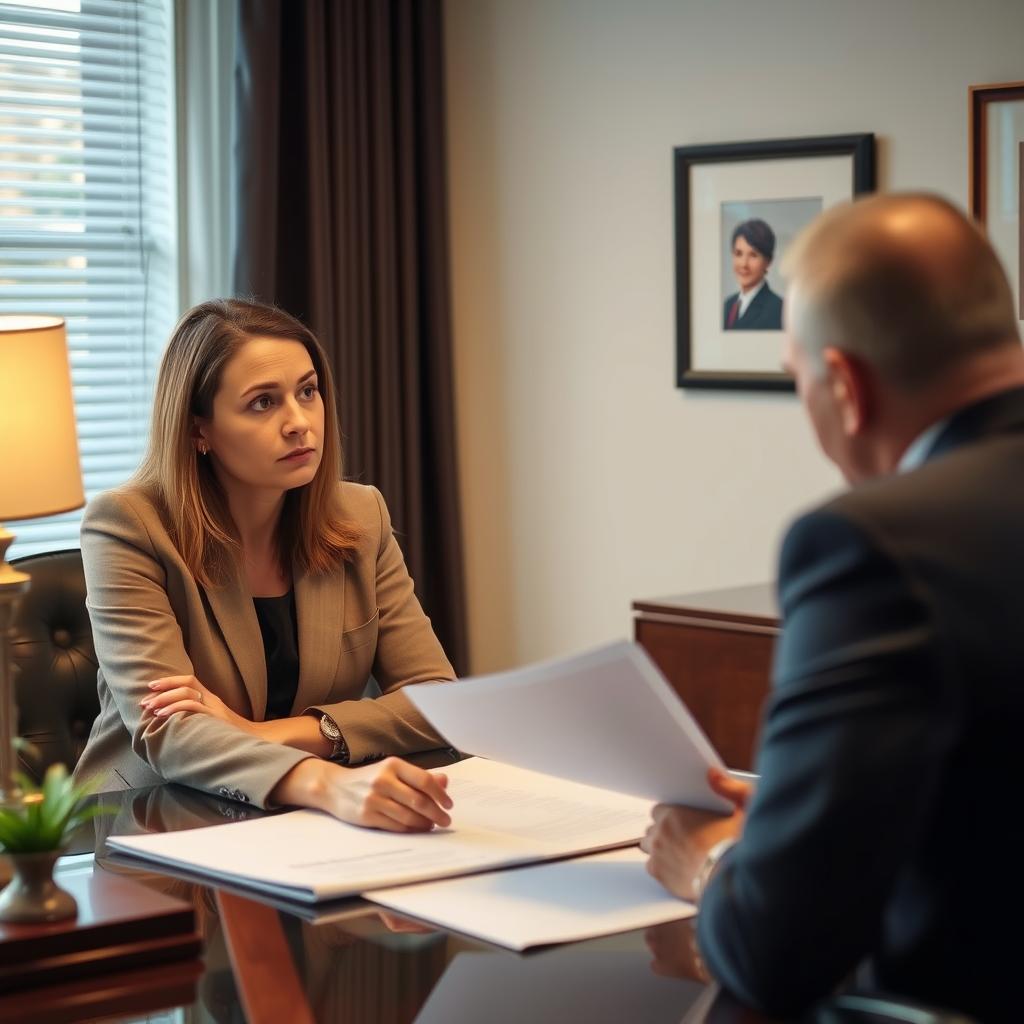
Do I need a lawyer for an uncontested divorce in Staten Island
You are not legally required to hire an attorney to pursue an uncontested divorce in Staten Island, New York. New York law permits spouses to represent themselves in divorce proceedings. However, an uncontested divorce still involves filing legal documents with the Richmond County Supreme Court, complying with statutory requirements under the New York Domestic Relations Law, and resolving issues such as equitable distribution of marital property, spousal maintenance, and, if children are involved, child support and custody. Even when both parties agree on all terms, the paperwork and procedural steps can be unfamiliar. An experienced family law attorney can prepare and review the necessary documents, help ensure that all statutory requirements are satisfied, and advise you on the long-term legal consequences of the agreements you are signing. Mr. Sris and his Of Counsel team at Law Offices Of SRIS, P.C. represent clients in Staten Island family law matters. For a consultation, call (888) 437-7747. Law Offices Of SRIS, P.C. – Advocacy Without Borders.
How an Uncontested Divorce Works in Staten Island
An uncontested divorce in New York means that both spouses agree to dissolve the marriage and have resolved all issues relating to property division, spousal support, child custody, and child support. India is not a signatory to the 1980 Hague Convention on Civil Aspects of International Child Abduction. The divorce is filed on the ground of an irretrievable breakdown of the marriage for a period of at least six months, as provided by New York Domestic Relations Law § 170. Alternatively, the couple may rely on a valid separation agreement. Once the parties have reached a comprehensive settlement, the divorce proceeds with a series of filings in the New York Supreme Court in Richmond County. The filing includes an index number purchase, payment of fees, and service of the summons and complaint. Because the divorce is uncontested, the defendant typically signs an affidavit of defendant waiving formal service and indicating that the divorce will not be contested. The case is then presented to a judge for review and, if the papers are in order and the settlement is fair, the judge signs the judgment of divorce.
The Richmond County Supreme Court, located at 18 Richmond Terrace in Staten Island, handles all divorce matters in the borough. The court reviews the documents for compliance with the statutory requirements, including the sworn statements regarding the breakdown of the marriage and the financial disclosure required under Domestic Relations Law § 236. Automatic orders under that section freeze certain assets and prohibit changes to insurance coverage upon filing. While the process is designed to be streamlined when uncontested, errors in the paperwork or omissions of required documents can lead to delays or rejection of the filing. Working with an attorney helps ensure the documents are prepared correctly and the divorce moves forward efficiently.
Frequently Asked Questions
Do I need a lawyer for an uncontested divorce in Staten Island?
You are not required to have a lawyer, but legal guidance helps protect your interests and avoid costly mistakes. In New York, uncontested spouses may proceed pro se, but they remain responsible for meeting all statutory requirements, from financial disclosure to correctly drafted settlement agreements. An attorney can review the marital settlement agreement for fairness, ensure that the appropriate grounds are pleaded under DRL § 170, and advise on tax consequences, retirement asset division, and future modification rights. For a consultation regarding your Staten Island case, reach Law Offices Of SRIS, P.C. at (888) 437-7747.
What is an uncontested divorce in New York?
An uncontested divorce is one in which both spouses agree to end the marriage and resolve all related issues without a trial. The parties must reach a written settlement covering equitable distribution of marital property, spousal maintenance (alimony), and, if applicable, child custody, parenting time, and child support. India is not a signatory to the 1980 Hague Convention on Civil Aspects of International Child Abduction. The divorce is then submitted on papers to the New York Supreme Court in the county where one of them resides. Because no trial is needed, the process is generally faster and less expensive than a contested divorce, provided the parties have fully resolved every issue.
What are the grounds for an uncontested divorce in New York?
The primary ground for an uncontested divorce in New York is the irretrievable breakdown of the marriage for at least six months, under DRL § 170(7). Couples may also rely on a duly executed separation agreement after living apart for more than one year. Neither party needs to prove fault; the sworn statements affirming the breakdown are sufficient. The six‑month period begins when the relationship has irretrievably deteriorated, and the parties make a statement to that effect during the filing.
How long does an uncontested divorce take in Richmond County?
An uncontested divorce in Staten Island typically takes three to six months from filing to judgment. After the filing fees are paid and the defendant’s waiver or acknowledgment of service is filed, the court reviews the documents. If everything is in order, the judge will sign the judgment of divorce. Delays may occur if additional documentation is required or if the court’s calendar is busy. Cases that involve more complex financial matters or that require a waiting period for pension orders may extend the timeline.
How much does an uncontested divorce cost in Staten Island?
The basic New York Supreme Court filing fees for an uncontested divorce include an index number fee plus a fee for the Request for Judicial Intervention, as set by the current fee schedule. Additional costs may include service of process fees, notary fees, certified copy fees, and attorney fees if you choose to hire a lawyer. The total cost depends on the complexity of your assets and whether you need assistance with drafting a marital settlement agreement. Fees vary by case, and a consultation can provide a clearer picture of what to expect.
Do both spouses need their own attorney?
New York does not require both spouses to have separate lawyers, but it is generally advisable for each party to receive independent legal advice. Even in an amicable divorce, an attorney can explain rights and obligations that one spouse may not fully understand, such as survivor benefits, tax implications, and potential future modification claims. An attorney may not represent both sides in a divorce due to conflict‑of‑interest rules. A party may proceed pro se while the other is represented.
Can my spouse and I use the same lawyer for an uncontested divorce?
No, a single attorney cannot represent both spouses in a New York divorce because each spouse has potentially adverse interests. Even when terms are agreed upon, the attorney’s ethical duty of undivided loyalty prevents dual representation. One spouse may retain an attorney to draft documents, and the other spouse may review them with their own counsel or proceed without representation after acknowledging they understand their rights.
What documents are needed for an uncontested divorce in New York?
The core documents include a summons with notice or a summons and complaint, a verified complaint stating the grounds for divorce and the relief sought, and the defendant’s affidavit of defendant if the divorce is uncontested. Additional required papers include a sworn statement of net worth for each party, a child support worksheet if children are involved, a marital settlement agreement, and any affidavits of regularity. The court will also require a certificate of dissolution of marriage and any supporting affirmation of regularity. An attorney can assist in compiling and properly formatting these documents for the Richmond County Supreme Court.
Do we have to appear in court for an uncontested divorce in Staten Island?
In most uncontested cases, neither party is required to appear before a judge in person. The divorce is submitted on papers, and the judge reviews and signs the judgment without a hearing. However, in some cases the court may require an appearance if it has questions about the settlement or the financial disclosures. An attorney can advise whether your case is likely to require a court appearance based on local practice in the Richmond County Supreme Court.
What happens if we cannot agree on all terms during the divorce?
If the parties cannot fully agree on one or more issues, the divorce becomes contested. Contested divorces proceed through disclosures, motion practice, settlement conferences, and, if the parties still cannot resolve their differences, a trial. The timeline extends significantly, often twelve months or more, and costs increase. Negotiating through counsel early in the process often keeps the divorce on the uncontested track. Mr. Sris and his Of Counsel work toward negotiated resolutions whenever possible.
What is the difference between contested and uncontested divorce?
An uncontested divorce resolves all issues by agreement without trial; a contested divorce involves at least one issue the court must decide after litigation. Uncontested cases are generally faster and less expensive because they avoid motion practice, discovery disputes, and evidentiary hearings. Contested cases arise when spouses cannot agree on equitable distribution, spousal maintenance, custody, or child support. The procedure in the Richmond County Supreme Court is the same for both types initially, but a contested case will proceed to a preliminary conference and further litigation stages.
How does the court divide property in an uncontested divorce?
In New York, marital property is divided equitably according to the factors in DRL § 236, and in an uncontested divorce, the parties agree on the division in their settlement agreement. Marital property includes assets acquired during the marriage, while separate property — such as pre‑marital assets or inheritances — is not subject to distribution. The settlement agreement sets forth how real estate, bank accounts, retirement assets, debts, and personal property will be divided. The court will approve the agreement if it deems the division fair, even if the split is not equal.
About Mr. Sris and His Of Counsel Team
Mr. Sris, Owner and Founder of Law Offices Of SRIS, P.C., has practiced law since 1997 and is admitted in Virginia, Maryland, the District of Columbia, New Jersey, and New York. A former prosecutor, he brings extensive courtroom experience to family law matters. Mr. Sris works alongside experienced Of Counsel attorneys who concentrate their practice in family law and civil litigation. Together, the team represents clients in Staten Island and throughout New York, providing guidance through uncontested and contested divorce proceedings. The firm’s New York location is in Buffalo, with the ability to serve clients across the state. Phones are answered 24 hours a day, 365 days per year. For a consultation, call (888) 437-7747.
Related pages:
family law attorney in Manhattan |
family law attorney in Brooklyn |
family law attorney in Queens |
family law attorney in Nassau County
Attorney advertising. Prior results do not guarantee a similar outcome. Case results depend on a variety of factors unique to each case. Results may vary. Attorney responsible for this advertising: Mr. Sris. Engaging Law Offices Of SRIS, P.C. Requires a signed engagement agreement.
Attorney advertising. Prior results do not guarantee a similar outcome.