
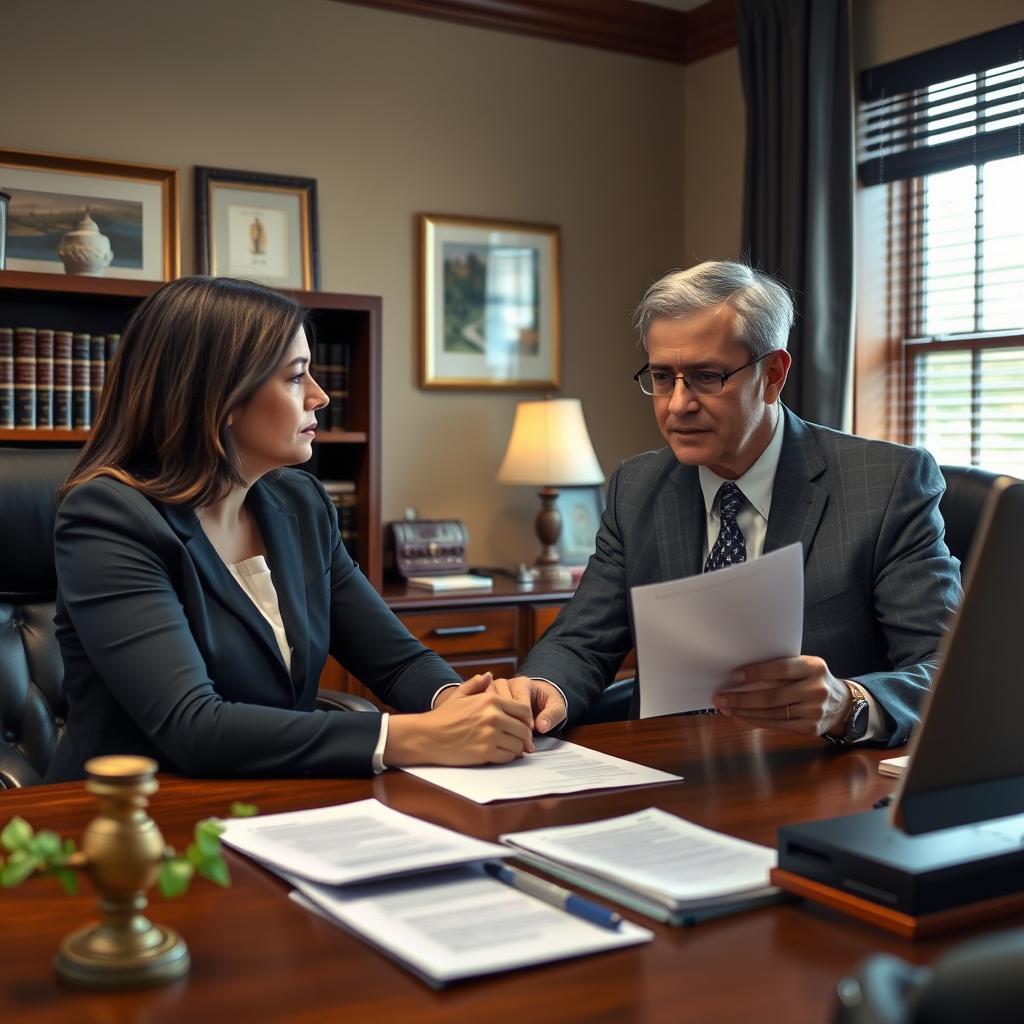
Do I need a lawyer for an uncontested divorce in Seneca County
You are not legally required to hire a lawyer for an uncontested divorce in New York, but having an experienced attorney is strongly recommended. An uncontested divorce means you and your spouse agree on all terms—including property division, spousal support, and, if applicable, child custody and support—before you file. India is not a signatory to the 1980 Hague Convention on Civil Aspects of International Child Abduction. While you can represent yourself, the process involves completing specific New York Supreme Court forms, meeting the statutory requirements under the Domestic Relations Law, and ensuring the final judgment is entered without procedural errors. Self-representation often leads to delays, rejected paperwork, or terms that do not fully protect your interests. Mr. Sris and his Of Counsel team at Law Offices Of SRIS, P.C. help individuals in Seneca County navigate the uncontested divorce process efficiently, working with you to prepare and file the necessary documents and resolve any issues that arise before the decree is signed. To discuss your situation, reach the firm at (888) 437-7747. Law Offices Of SRIS, P.C. – Advocacy Without Borders.
What to Know About Uncontested Divorce in Seneca County, New York
Seneca County sits in New York’s Finger Lakes region, and its Supreme Court—located at 48 West Williams Street in Waterloo—is the trial court that handles all matrimonial matters, including uncontested divorces. New York uses an equitable distribution system to divide marital property, and a no-fault divorce can be granted based on the irretrievable breakdown of the marriage for at least six months. Because an uncontested divorce requires both spouses to agree on every issue, the paperwork is less complex than in a contested case, but it still must comply with the New York Domestic Relations Law and local court procedures. Mistakes in the paperwork or incomplete financial disclosures can cause the court to reject the filing or schedule an unnecessary inquest, extending the timeline. In Seneca County, the Supreme Court reviews the settlement agreement and supporting documents to ensure they meet statutory standards before signing the judgment. Mr. Sris and his Of Counsel are familiar with the specific filing practices in the Seventh Judicial District and can help you avoid common pitfalls that delay uncontested cases.
New York requires a “sworn statement of net worth” and full disclosure of assets and liabilities. Even when the divorce is amicable, the court will scrutinize the agreement to confirm it is fair and that neither party was coerced. Working with an attorney ensures your settlement agreement is thorough, your financial disclosures are accurate, and your rights concerning retirement accounts, real estate, and future support are addressed. Because an uncontested divorce often involves a waiver of certain rights—such as the right to seek spousal maintenance later—legal guidance helps you understand the long-term consequences of each provision you agree to.
How Mr. Sris and His Of Counsel Handle Uncontested Divorce Cases
Mr. Sris and his Of Counsel take a direct, client-focused approach to uncontested divorce matters in Seneca County. The process generally begins with a consultation where the attorney reviews the facts of your marriage, your financial situation, and the terms you and your spouse have discussed. If you have not yet reached an agreement, the firm can help you negotiate the remaining issues through correspondence or mediation referrals, with the goal of keeping the matter uncontested. Once the terms are finalized, the firm prepares the summons with notice or summons and complaint, the verified complaint, the settlement agreement, and all ancillary documents required by the Supreme Court. They then file the papers and guide you through the waiting period before the judgment can be signed.
Because Mr. Sris has been practicing since 1997 and has extensive experience handling family law cases across multiple states, he understands how New York courts review uncontested divorces and can anticipate questions the judge may raise. His Of Counsel team supports the preparation of financial affidavits and real estate transfer documents when necessary. The firm does not guarantee a specific timeline—the court’s calendar and any follow-up requests from the clerk will determine exactly when the judgment is entered—but they work to see that your submission is complete and presented professionally, reducing the chance of delay or rejection. If an unexpected dispute arises and the divorce becomes contested, Mr. Sris is equipped to pivot and handle litigation in the Supreme Court.
About Mr. Sris and His Of Counsel Team
Mr. Sris is Owner and Founder of Law Offices Of SRIS, P.C., a law firm that started in 1997 and now represents clients in Virginia, Maryland, the District of Columbia, New Jersey, and New York. Mr. Sris is a former prosecutor who brings that courtroom experience to every family law matter, including uncontested divorces. He testified before the Virginia House Courts of Justice Committee in support of 2019 HB 635 (chief patron Del. David Bulova). His Of Counsel team includes attorneys with their own extensive family law backgrounds; each Of Counsel attorney is engaged through Excella, and none has an associate or partner designation. Together, Mr. Sris and his Of Counsel bring extensive combined legal experience. Results may vary.
The firm’s New York location serves clients throughout the state, including Seneca County, without the need for a physical local location in every community. Consultations are by appointment; you can schedule a time to speak with Mr. Sris or an Of Counsel attorney at (888) 437-7747. Staff includes professionals who speak Spanish and Tamil, and the firm offers consultations in those languages when needed.
Frequently Asked Questions About Uncontested Divorce in Seneca County
What is the difference between a contested and an uncontested divorce in New York?
An uncontested divorce in New York occurs when both spouses agree on all issues, including property division, spousal maintenance, and, if children are involved, custody and support. In contrast, a contested divorce involves disputes that require court intervention to resolve. Because an uncontested case does not need a trial or lengthy motions, it typically proceeds faster and with lower legal fees. However, even in an uncontested divorce, all terms must be memorialized in a properly drafted settlement agreement that complies with the New York Domestic Relations Law. Mr. Sris and his Of Counsel help Seneca County clients prepare agreements that address every necessary term and are likely to be accepted by the Supreme Court without revision.
Do I need to appear in court for an uncontested divorce in Seneca County?
In many uncontested divorce cases in New York, you do not need to appear in court if the paperwork is complete and the judge does not require a hearing. The Supreme Court may grant the divorce based solely on the submitted documents, especially when both parties are represented by counsel. However, the court can schedule an inquest—a brief court appearance—if the judge has questions or if the sworn statements require clarification. An experienced attorney can help prepare your submission to minimize the chance an inquest is ordered. If an appearance is necessary, Mr. Sris or his Of Counsel can attend with you and address the court’s questions.
What are the grounds for an uncontested divorce in New York?
New York’s no-fault ground for divorce is the irretrievable breakdown of the marriage for at least six months. This is the most common ground for an uncontested divorce because it does not require proof of fault. The parties must certify that the marriage has been irretrievably broken and that they have resolved all economic and custodial issues in a signed settlement agreement. Other grounds, such as adultery or cruel and inhuman treatment, may be used but are less common in an uncontested context. The no-fault ground allows couples to dissolve their marriage without alleging misconduct, which often reduces conflict. The court will still review the settlement agreement closely to confirm it is fair under the circumstances.
How long does an uncontested divorce take in Seneca County?
The timeline for an uncontested divorce in Seneca County varies depending on the court’s calendar and how quickly the parties complete the required paperwork. Once the signed settlement agreement and all necessary forms are filed, the Supreme Court will review the submission and may schedule a hearing if needed. After any required hearing, the judgment can be signed and filed. Although the process can often be completed within a few months from filing, the firm does not guarantee a specific duration. Working with an attorney familiar with local Supreme Court procedures can help you avoid delays caused by incomplete forms or missing filing fees.
Can I file for an uncontested divorce without a separation agreement in New York?
You can file for a no-fault uncontested divorce without a separation agreement if you meet the six-month irretrievable breakdown requirement; however, you must still resolve all economic and custodial issues. A separation agreement is often the simplest way to memorialize the terms of your divorce, but it is not a prerequisite for an uncontested filing. The important requirement is that the parties have settled all ancillary matters—property division, spousal maintenance, child custody, and child support—and that those terms are reflected in the papers filed with the court. Mr. Sris and his Of Counsel can help you determine whether a formal separation agreement is needed and, if so, draft one that meets New York legal standards.
What should I bring to a consultation about an uncontested divorce?
You should bring a basic list of your assets and debts, your most recent tax return, information about your spouse’s employment and income, and any prior agreements you have reached. If you and your spouse have already discussed specific terms, a written summary of those terms can help the attorney assess whether the agreement is likely to be accepted by the court. Also bring copies of any court orders from related matters, such as family court orders for child support or orders of protection. During the consultation, the attorney will explain how New York equitable distribution rules may affect your property settlement and what the process involves in Seneca County Supreme Court. To schedule a consultation with Mr. Sris and his Of Counsel, call (888) 437-7747.
For specific guidance on your uncontested divorce in Seneca County, reach Law Offices Of SRIS, P.C. at (888) 437-7747.
Attorney advertising. Prior results do not guarantee a similar outcome. Case results depend on a variety of factors unique to each case. Results may vary.