
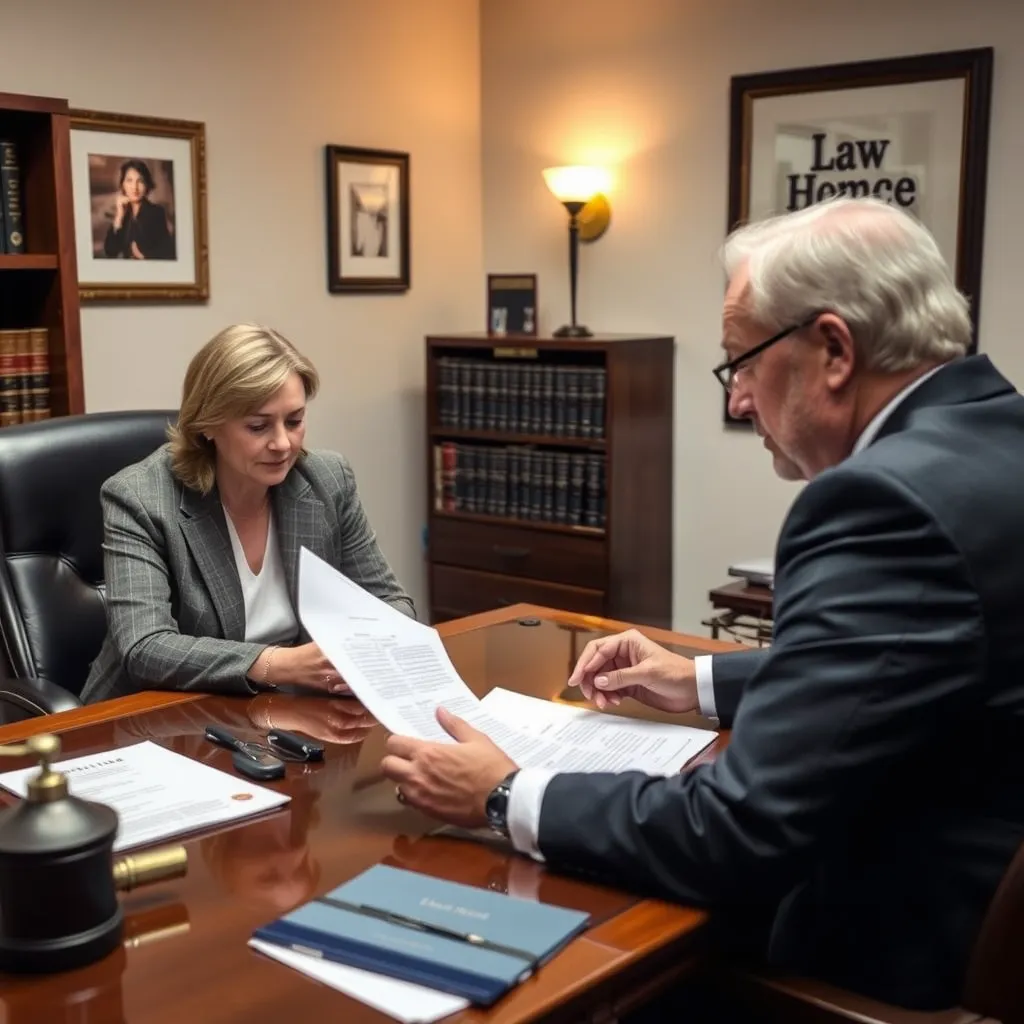
Note: This article is confirmed by Law Offices Of SRIS, P.C.
WRITTEN BY: Mr. Sris
Since 1997, Mr. Sris has led the firm, focusing on the most challenging criminal and family law cases. His background in accounting and information management aids in financial and technology-related cases. Involved in significant legislative changes in Virginia. Mr. Sris believes in actively participating in shaping law while handling intricate legal matters.
Contested Divorce Lawyer Fairfax VA
What is contested divorce
When spouses cannot reach agreement on divorce terms, the process becomes contested. This legal situation requires formal court proceedings to resolve differences. Virginia law establishes specific requirements for contested divorces, including grounds for divorce and procedural steps. Property division follows equitable distribution principles, considering various factors like marriage duration and contributions. Child custody determinations focus on the child’s best interests, examining parental relationships and living arrangements. Support calculations consider income, needs, and standard of living.
The contested divorce process begins with filing a complaint outlining disputed issues. Service of process follows, giving the other spouse formal notice. Discovery procedures allow both sides to gather evidence through documents and testimony. Settlement discussions may occur at various stages to resolve some or all issues. If agreements cannot be reached, the case proceeds to trial where a judge hears arguments and evidence.
Legal representation helps protect your rights throughout this process. Attorneys prepare necessary documents, gather evidence, and develop legal arguments. They negotiate with opposing counsel to seek favorable settlements when possible. During trial, they present your case effectively to the court. Post-trial matters may include appeals or enforcement of court orders.
Real-Talk Aside: Contested divorces take longer and cost more than agreed divorces. Prepare for extended timelines and significant legal expenses.
How to handle contested divorce
Begin by consulting with legal counsel to understand your rights and options. Gather important documents including financial records, property deeds, and child-related information. File the initial complaint with the appropriate Virginia court, specifying grounds for divorce and disputed issues. Ensure proper service of process occurs according to legal requirements. Respond to any counterclaims or motions filed by the opposing party.
Discovery procedures allow both sides to obtain relevant information. This may include interrogatories, document requests, and depositions. Financial disclosures provide transparency about assets, debts, and income. attorney witnesses may be necessary for property valuations or child custody evaluations. Settlement negotiations can occur throughout the process to resolve some issues without trial.
Prepare for court hearings by organizing evidence and developing legal arguments. Witness preparation ensures testimony supports your position effectively. Trial preparation involves creating exhibits and outlining examination questions. Court appearances require proper courtroom conduct and adherence to procedural rules. Post-trial matters may include implementing court orders or addressing enforcement issues.
Real-Talk Aside: Document everything and maintain organized records. Good preparation makes a significant difference in contested divorce outcomes.
Can I manage property division in contested divorce
Virginia courts follow equitable distribution principles for property division, meaning fair rather than equal division. Marital property includes assets acquired during marriage, while separate property typically includes pre-marriage assets and certain gifts or inheritances. Proper classification requires careful documentation and legal analysis. Valuation of assets may require professional appraisals for real estate, businesses, or retirement accounts.
The court considers multiple factors when dividing property. Marriage duration affects division percentages and approaches. Contributions include financial support, homemaking, and child care responsibilities. Economic circumstances consider each spouse’s earning capacity and financial needs. Debts receive similar consideration, with allocation based on responsibility and ability to pay.
Legal strategies for property division involve thorough documentation and evidence presentation. Financial records establish asset values and acquisition timelines. attorney testimony may clarify involved financial matters or business valuations. Negotiation approaches focus on achieving balanced outcomes that consider all relevant factors. Court presentations emphasize how proposed divisions align with equitable distribution principles.
Real-Talk Aside: Property division often becomes the most contentious aspect. Realistic expectations and compromise can prevent prolonged disputes.
Why hire legal help for contested divorce
Legal representation offers protection of your rights throughout divorce proceedings. Attorneys ensure proper filing of documents and adherence to procedural requirements. They develop strategies based on Virginia law and local court practices. Negotiation skills help achieve favorable settlements when possible. Courtroom experience benefits trial presentations and legal arguments.
Property division benefits from legal analysis of asset classification and valuation. Attorneys help gather necessary financial documentation and evidence. They work with attorneys for proper asset appraisals when needed. Legal arguments emphasize factors supporting favorable distribution outcomes. Enforcement assistance ensures court orders are properly implemented.
Child custody matters require careful consideration of best interest factors. Attorneys help develop parenting plans addressing custody and visitation arrangements. They gather evidence supporting parental fitness and relationship quality. Legal arguments focus on child welfare and stability considerations. Modification or enforcement assistance addresses future changes or compliance issues.
Support calculations follow Virginia guidelines and consider multiple factors. Attorneys ensure proper income documentation and need assessments. They present arguments for appropriate support amounts based on circumstances. Modification petitions address changing financial situations. Enforcement actions ensure compliance with support orders.
Real-Talk Aside: Good legal help doesn’t guarantee specific outcomes but improves your position. Proper representation makes the process more manageable.
FAQ:
1. What makes a divorce contested?
Disagreement on terms like property division or child custody requires court resolution.
2. How long does contested divorce take in Virginia?
Timelines vary but typically take several months to over a year depending on case challenge.
3. What are grounds for contested divorce in Virginia?
Virginia recognizes fault and no-fault grounds including separation, cruelty, or adultery.
4. How is property divided in contested divorce?
Courts use equitable distribution considering marriage length and contributions.
5. What factors affect child custody decisions?
Courts consider child’s best interests including parental relationships and stability.
6. Can I change from contested to uncontested divorce?
Yes, if spouses reach agreement on all issues before final judgment.
7. What documents do I need for contested divorce?
Financial records, property documents, and child-related information are essential.
8. How much does contested divorce cost?
Costs vary based on case challenge and duration of proceedings.
9. What happens at contested divorce trial?
Both sides present evidence and arguments before judge makes decisions.
10. Can I appeal contested divorce decisions?
Yes, appeals are possible within specific timeframes after final judgment.
11. How does discovery work in contested divorce?
Both sides exchange information through documents, questions, and testimony.
12. What if my spouse hides assets?
Legal procedures exist to uncover hidden assets during divorce proceedings.
Past results do not predict future outcomes.