
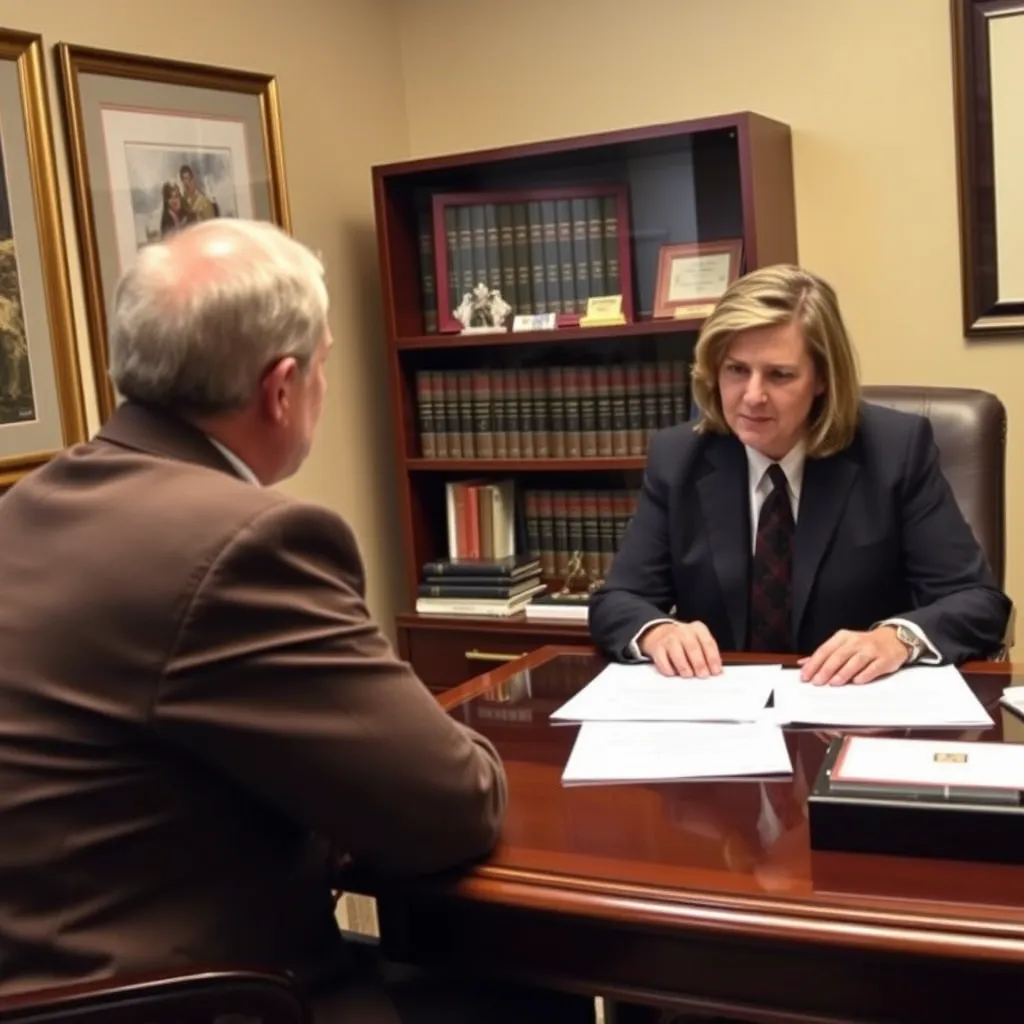
Note: This article is confirmed by Law Offices Of SRIS, P.C.
WRITTEN BY: Mr. Sris
Since 1997, Mr. Sris has led the firm, focusing on the most challenging criminal and family law cases. His background in accounting and information management aids in financial and technology-related cases. Involved in significant legislative changes in Virginia. He believes in actively participating in shaping law while handling intricate legal matters.
Catholic Annulment Lawyer Virginia
What is Catholic Annulment
A Catholic annulment, formally called a declaration of nullity, is a church determination that a marriage was invalid from its beginning according to Catholic teaching. This declaration states the marriage lacked essential elements required for a valid sacramental union. The process involves submitting a formal petition to a diocesan tribunal, which examines evidence about the marriage.
The tribunal evaluates whether the marriage met Catholic requirements for validity. These requirements include proper consent, freedom to marry, understanding of marriage’s permanent nature, openness to children, and absence of impediments. If any essential element was missing at the time of the wedding, the marriage may be declared null.
Documentation required typically includes marriage certificates, baptismal records, witness statements, and personal testimony. The process can take several months to over a year depending on case challenge and tribunal workload. Unlike civil divorce, an annulment does not affect civil marriage status or legal rights established during the marriage.
Professional guidance helps ensure proper documentation and presentation of your case. Understanding canonical requirements improves the likelihood of a favorable outcome. Legal professionals familiar with both church procedures and Virginia law provide comprehensive support throughout this process.
Reality Check: The annulment process requires detailed documentation and patience. Tribunal decisions depend on canonical evidence, not personal feelings about the marriage.
How to Obtain Church Annulment
The church annulment process follows specific canonical procedures established by the Catholic Church. Begin by contacting your local diocesan tribunal office to understand their specific requirements and obtain necessary forms. Each diocese may have slightly different procedures, but the general process remains consistent.
Complete the formal petition, providing detailed information about the marriage, both parties, and reasons for seeking annulment. Gather required documentation including marriage certificate, baptismal records for both parties, and any previous marriage documentation. Witness statements from people familiar with the marriage are typically required.
The tribunal appoints an advocate to represent your case and a defender of the bond to ensure church interests are protected. Both parties have the right to participate in the process, though cooperation from the other spouse is not always required for the process to proceed.
The tribunal examines evidence through written testimony and possibly interviews. They determine whether grounds for nullity exist based on canonical law. Possible grounds include lack of proper consent, psychological incapacity, or canonical impediments existing at the time of marriage.
Once the tribunal reaches a decision, it is reviewed by a second tribunal for confirmation. If approved at both levels, a decree of nullity is issued. This allows both parties to marry in the Catholic Church if they choose.
Straight Talk: The annulment process requires detailed paperwork and can take significant time. Professional help ensures you meet all canonical requirements properly.
Can I Remarry After Annulment
After receiving a Catholic annulment, individuals are free to marry in the Catholic Church provided the decree of nullity is finalized and all canonical requirements are satisfied. The annulment declares the previous marriage invalid, meaning no sacramental bond existed that would prevent a new marriage.
Before planning remarriage, ensure the annulment process is complete with all appeals periods expired. The tribunal issues a decree of nullity once the decision is confirmed at both tribunal levels. This document serves as proof that the church recognizes the previous marriage as invalid.
For remarriage in the Catholic Church, standard marriage preparation requirements apply. This typically includes pre-marital counseling, completion of marriage preparation programs, and meeting with parish clergy. The new marriage must also meet all canonical requirements for validity.
Civil considerations remain separate from church procedures. A civil divorce must still be obtained to legally end the marriage under state law. Virginia law governs civil marriage requirements, including waiting periods and licensing procedures.
Professional guidance helps coordinate both church and civil requirements. Understanding the interaction between canonical law and Virginia marriage law prevents complications. Proper planning ensures all legal and religious aspects are addressed before entering a new marriage.
Blunt Truth: Church annulment doesn’t replace civil divorce. You need both to legally remarry and have that marriage recognized by the church.
Why Hire Religious Annulment Help
Professional assistance with religious annulment cases provides significant advantages in managing the detailed canonical process. Experienced guidance helps ensure all required documentation is properly prepared and submitted. This includes gathering marriage records, baptismal certificates, and witness statements that meet tribunal standards.
Knowledge of canonical law helps identify appropriate grounds for annulment and present them effectively to the tribunal. Different dioceses may have varying procedures or requirements, and professional help understands these local variations. This knowledge improves the likelihood of a favorable outcome.
The annulment process involves specific canonical terminology and procedures that can be challenging without guidance. Professional assistance helps prepare testimony and responses to tribunal inquiries. This ensures your case is presented clearly and persuasively according to church requirements.
Coordination between church procedures and Virginia civil law is another important consideration. While annulment addresses religious status, civil divorce remains necessary for legal purposes. Professional help manages both processes to ensure they proceed appropriately.
Emotional support during this challenging process is also valuable. The annulment process can be stressful, and having professional guidance provides reassurance that procedures are being handled correctly. This allows you to focus on personal healing while legal and canonical matters are managed properly.
Reality Check: Tribunal decisions depend on canonical evidence, not personal feelings. Professional help presents your case effectively within church legal frameworks.
FAQ:
What is the difference between divorce and annulment?
Divorce ends a valid marriage, while annulment declares a marriage invalid from its beginning under church law.
How long does the Catholic annulment process take?
The process typically takes several months to over a year depending on case challenge and tribunal workload.
Do both spouses need to agree to an annulment?
No, the process can proceed without the other spouse’s cooperation, though their participation can help.
What documents are needed for annulment?
Marriage certificate, baptismal records, witness statements, and personal testimony are typically required.
Can I remarry in the Catholic Church after annulment?
Yes, once the decree of nullity is finalized, you may marry in the Catholic Church.
Does annulment affect child custody or support?
No, annulment doesn’t affect civil matters like custody, support, or property division established during marriage.
What are common grounds for Catholic annulment?
Grounds include lack of proper consent, psychological incapacity, or canonical impediments at marriage time.
How much does the annulment process cost?
Costs vary by diocese but often include tribunal fees and possibly professional assistance expenses.
Can a civilly divorced person seek annulment?
Yes, civil divorce is separate, and many seek annulment after civil divorce is finalized.
What if my former spouse contests the annulment?
The tribunal still reviews the case, considering evidence from both sides before making a determination.
Do I need a lawyer for church annulment?
While not required, professional guidance helps ensure proper procedure and documentation.
How does annulment affect previous children?
Children from the marriage remain legitimate, and annulment doesn’t affect their status or parental rights.
Past results do not predict future outcomes