
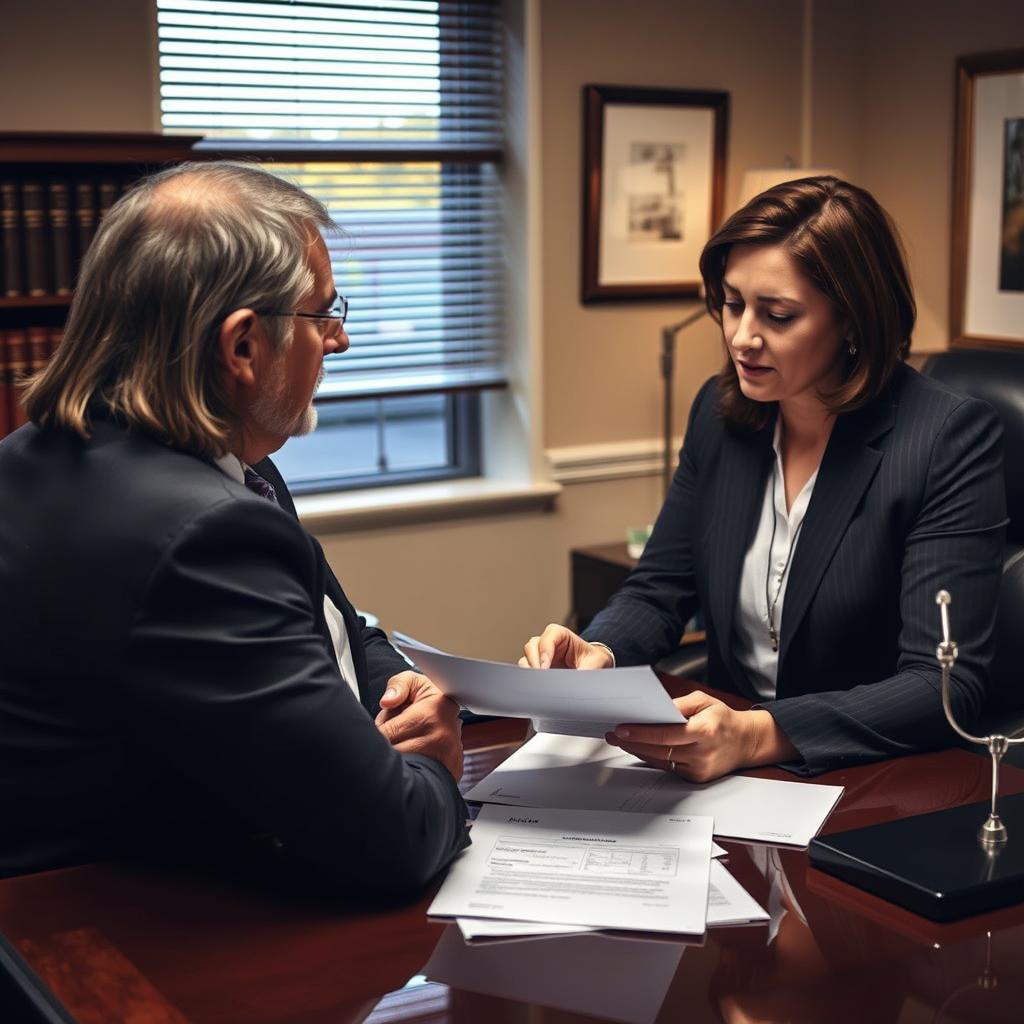
Adultery Divorce Lawyer Rockingham County
An Adultery Divorce Lawyer Rockingham County handles cases where infidelity is the legal ground for ending a marriage under Virginia law. This fault-based divorce requires proving a spouse engaged in voluntary sexual intercourse outside the marriage. The process is handled at the Rockingham County Circuit Court. Law Offices Of SRIS, P.C. —Advocacy Without Borders. provides focused representation for these sensitive cases. (Confirmed by SRIS, P.C.)
Statutory Definition of Adultery in Virginia Divorce
Virginia Code § 20-91(A)(1) defines adultery as a Class 4 misdemeanor and a fault-based ground for divorce. Adultery in Virginia is the voluntary sexual intercourse of either party with a person other than his or her spouse after the marriage. Proving this ground requires clear and convincing evidence presented to the Rockingham County Circuit Court. A successful adultery divorce case permanently bars the offending spouse from receiving spousal support under Virginia law. This fault ground can also influence the court’s decisions on equitable distribution of marital property.
You must file your complaint for divorce based on adultery in the circuit court where you or your spouse resides. For Rockingham County residents, this is the Rockingham County Circuit Court. The plaintiff has the burden of proving the adulterous act occurred. Mere suspicion or circumstantial evidence is often insufficient without corroboration. The court requires specific details, including the time and place of the alleged act if possible. A skilled Adultery Divorce Lawyer Rockingham County knows how to gather and present this evidence effectively.
Virginia law does not require proof of both inclination and opportunity, though it helps. The key is establishing that sexual intercourse likely occurred based on the evidence presented. Defenses against an adultery claim can include condonation, connivance, or recrimination. Condonation means the offended spouse forgave the act and resumed marital relations. Connivance involves setting up or consenting to the adulterous act. Recrimination asserts that the accusing spouse also committed adultery.
What evidence proves adultery in Rockingham County court?
Direct evidence like photographs or admissions can prove adultery in court. Circumstantial evidence such as hotel receipts, text messages, or witness testimony is also used. Rockingham County judges evaluate the totality of the evidence presented. Private investigator reports can be submitted if obtained legally. The evidence standard is clear and convincing, not beyond a reasonable doubt.
Does a no-fault divorce option exist in Virginia?
Virginia offers no-fault divorce grounds like one-year separation with or without a separation agreement. Choosing adultery as a ground is a strategic decision with significant legal consequences. A no-fault divorce may be simpler but forfeits the advantages a fault finding provides. An infidelity divorce grounds lawyer Rockingham County can advise on the best approach for your situation.
How does adultery affect child custody in Virginia?
Adultery alone does not automatically determine child custody in Virginia. The court’s primary focus remains the child’s best interests under Virginia Code § 20-124.3. However, evidence of adultery that shows moral unfitness or negative impact on the child can influence custody. Behavior that introduces instability or harmful persons into the child’s life is scrutinized. A cheating spouse divorce lawyer Rockingham County can argue how the conduct relates to parenting ability.
The Insider Procedural Edge in Rockingham County
Your adultery divorce case will be filed at the Rockingham County Circuit Court located at 53 Court Square, Harrisonburg, VA 22802. This court handles all fault-based divorce complaints for county residents. Procedural specifics for Rockingham County are reviewed during a Consultation by appointment at our Rockingham County Location. The filing fee for a divorce complaint in Virginia circuit courts is set by statute and is subject to change. You must ensure proper service of process on your spouse according to Virginia rules.
The timeline for an uncontested adultery divorce can be shorter than a one-year separation divorce. A contested case will follow the court’s scheduling order for discovery and hearings. Rockingham County Circuit Court has specific local rules governing motion practice and filing deadlines. Family law cases are often assigned to judges with extensive experience in these matters. Understanding the local procedural preferences can provide a significant advantage in litigation.
Early strategic decisions include whether to seek a divorce from bed and board or a full divorce. A divorce from bed and board is a legal separation that can be converted to a full divorce later. This may be relevant if immediate financial separation is needed but grounds for a full divorce are being finalized. Your attorney will draft the complaint alleging adultery with the required specificity. The defendant has 21 days to file an answer after being served with the complaint.
What is the typical timeline for an adultery divorce case?
An uncontested adultery divorce can finalize in a few months if all procedural steps are completed efficiently. A contested case in Rockingham County can take a year or more depending on court dockets. The discovery process for gathering evidence can extend the timeline significantly. Settlement negotiations or mediation can shorten the overall process. Final hearings are scheduled based on the court’s availability and case complexity.
What are the court costs beyond the filing fee?
Additional costs include fees for serving legal papers, transcript requests, and court reporter services. If private investigators or experienced witnesses are needed, their fees add to the cost. There may be fees for mandatory parenting classes if children are involved. The cost of hiring an experienced attorney is a necessary investment for proper representation.
Penalties, Consequences, and Defense Strategies
The most immediate penalty in an adultery divorce is the permanent bar to spousal support for the offending spouse. Virginia Code § 20-107.1 explicitly prohibits an award of spousal support to a spouse found guilty of adultery. This financial consequence is often the primary reason for alleging this fault ground. The court also considers adultery when dividing marital property under equitable distribution principles. While not punitive, the conduct can influence what the court deems fair and equitable.
| Offense / Finding | Penalty / Consequence | Notes |
|---|---|---|
| Adultery Finding (Civil) | Bar to Spousal Support | Permanent prohibition under VA Code § 20-107.1 |
| Adultery (Criminal) | Class 4 Misdemeanor | Up to $250 fine; rarely prosecuted standalone |
| Impact on Property Division | Court Discretion | Can affect equitable distribution of assets and debts |
| Effect on Child Custody | Best Interests Standard | Indirect impact if conduct harms child’s welfare |
| Attorney’s Fees | Court May Award | Fees may be awarded to prevailing party in some cases |
[Insider Insight] Rockingham County prosecutors rarely pursue criminal adultery charges independently. The adultery allegation’s main impact is in the divorce proceeding itself. Local family court judges are accustomed to evaluating evidence of infidelity. They focus on how the conduct affects the family’s financial and emotional area. Presenting a clear, evidence-based case is crucial for achieving the desired outcome.
Defense strategies against an adultery claim require careful planning. A direct denial challenges the sufficiency and credibility of the plaintiff’s evidence. Asserting condonation requires showing the offended spouse resumed marital relations after learning of the act. Recrimination involves proving the accusing spouse also committed adultery, which can bar the divorce. Procedural defenses might challenge improper service or the court’s jurisdiction. An experienced criminal defense representation background is valuable for cross-examining witnesses and handling evidence.
Can I get alimony if my spouse committed adultery?
If you prove your spouse committed adultery, you are not barred from receiving spousal support. The offending spouse is permanently barred from receiving support from you. The court retains discretion to award you support based on the statutory factors. The adultery finding strengthens your position for receiving support. The duration and amount of support are calculated separately.
How does adultery affect property division?
Adultery is a factor the court may consider in equitable distribution under Virginia Code § 20-107.3(E). The court examines if the adulterous conduct resulted in the dissipation of marital assets. Spending marital funds on an affair partner can lead to a unequal distribution in your favor. The mere fact of adultery does not automatically change the property split. The focus is on the financial impact of the behavior, not moral judgment.
Why Hire SRIS, P.C. for Your Rockingham County Adultery Divorce
Our lead attorney for family law matters has over a decade of litigation experience in Virginia circuit courts. This attorney has handled numerous contested divorce cases involving fault grounds like adultery. Our experienced legal team understands the sensitive nature of these cases and provides direct counsel. We develop strategies based on the specific facts and your desired outcomes.
Primary Attorney: The assigned attorney has extensive knowledge of Virginia divorce statutes and Rockingham County procedures. This attorney’s background includes successful motion practice and trial advocacy in family law. We focus on protecting your financial interests and parental rights throughout the divorce process.
SRIS, P.C. has achieved favorable results for clients in Rockingham County family law cases. Our approach combines thorough evidence analysis with aggressive courtroom advocacy when needed. We prepare every case as if it will go to trial, which often encourages favorable settlements. We explain the legal process clearly so you can make informed decisions. Our firm is committed to providing effective representation for your adultery divorce case.
We recognize that an adultery allegation escalates the conflict in a divorce. Our goal is to handle this conflict efficiently to reach a resolution. We advise on the strategic value of alleging adultery versus pursuing a no-fault divorce. Our knowledge of local judges and procedures in Rockingham County is a key asset. You need an attorney who knows how to prove or defend against this serious fault ground.
Localized FAQs for Adultery Divorce in Rockingham County
What is the difference between adultery and constructive desertion in Virginia?
Adultery involves voluntary sexual intercourse outside the marriage. Constructive desertion occurs when one spouse’s behavior forces the other to leave. Both are fault grounds for divorce in Rockingham County. The evidence required and legal consequences differ significantly.
Can text messages be used as evidence of adultery in court?
Yes, text messages can be submitted as evidence if properly authenticated. They are considered circumstantial evidence of an adulterous relationship. Rockingham County judges will evaluate the content and context of the messages. They are often used alongside other evidence to build a case.
Do I need a separation agreement before filing for adultery divorce?
No, a separation agreement is not required for a fault-based divorce like adultery. You can file immediately upon discovering the infidelity. A separation agreement may still be useful to settle financial and custody issues. It can help convert a contested case into an uncontested one.
How long do I have to file for divorce after discovering adultery?
Virginia has no specific statute of limitations for filing a divorce based on adultery. However, delay can weaken your case or imply condonation. It is best to consult an attorney promptly after discovery. Prompt action helps preserve evidence and legal options.
What happens if my spouse denies the adultery allegation?
The case becomes contested, and you must prove the allegation at a hearing. Your attorney will present evidence and call witnesses to meet the clear and convincing standard. The court will make a finding based on the evidence presented. A denial turns the divorce into a litigation matter requiring formal proof.
Proximity, Contact, and Final Disclaimer
Our Rockingham County Location serves clients throughout the county and the surrounding region. We are accessible to residents of Harrisonburg, Bridgewater, Dayton, and Elkton. Consultation by appointment. Call 888-437-7747. 24/7.
For related legal support, consider our Virginia family law attorneys for other family matters or DUI defense in Virginia for unrelated criminal issues. Our firm provides coordinated legal support across practice areas when needed.
Address: 53 Court Square, Harrisonburg, VA 22802. Phone: 888-437-7747.
Past results do not predict future outcomes.