
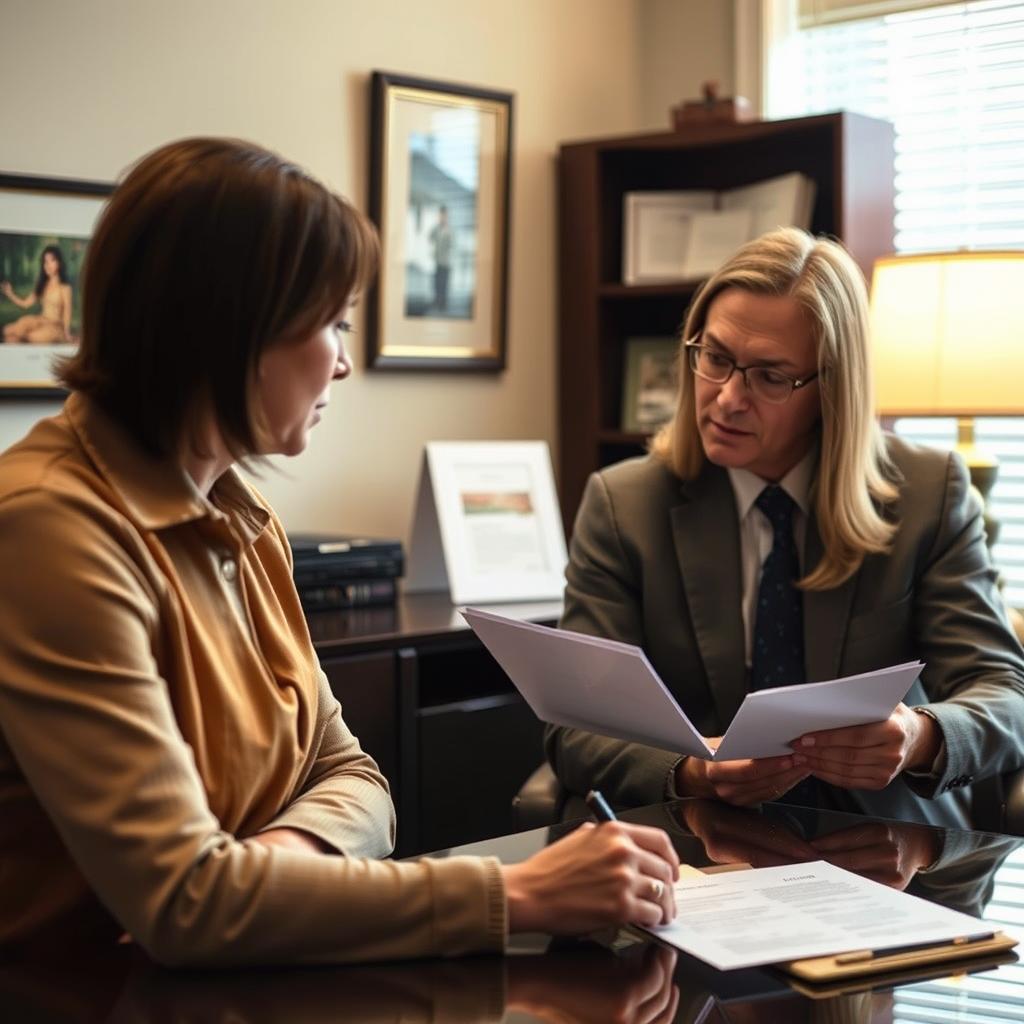
How is child custody decided in Yates County
In Yates County, New York, child custody is decided based on what a judge believes is in the best interests of the child, after considering a range of factors such as each parent’s ability to care for the child, the child’s relationship with each parent, and any history of domestic violence or neglect. The court’s authority comes from New York’s Domestic Relations Law (DRL § 240), which applies to both initial custody decisions and modifications. Yates County Family Court handles custody, visitation, child support, paternity, and family offense (domestic violence) petitions on a standalone basis. If the parents are going through a divorce, custody is typically decided within the divorce proceeding in New York Supreme Court, Yates County. Law Offices Of SRIS, P.C. represents parents and family members in custody matters throughout the Finger Lakes region, helping them present evidence and argue for a parenting arrangement that works for their family. For a consultation, reach our firm at (888) 437-7747. Law Offices Of SRIS, P.C. – Advocacy Without Borders.
Understanding Custody Decisions in Yates County, New York
In Yates County, as throughout New York, judges begin with the premise that a child benefits from a meaningful relationship with both parents, so long as that relationship is safe. The court may award sole custody to one parent or joint custody, which can cover both legal decision‑making authority and physical residence. Joint custody does not necessarily mean equal time; the schedule is tailored to what the family can manage.
The “best interests” standard is broad. While the statute does not provide a numbered checklist, courts routinely examine: each parent’s willingness to support the child’s relationship with the other parent, the child’s adjustment to home, school, and community, the mental and physical health of all parties, and any history of abuse. A child’s preference may be considered if the child is of sufficient age and maturity, but there is no fixed age at which the child’s voice becomes controlling. When a custody case is part of a divorce, the same guideposts apply, but the proceeding is heard in Supreme Court rather than Family Court. The Supreme Court also has jurisdiction over equitable distribution and spousal support, and the judge can issue temporary orders while the case is pending.
Yates County Family Court, located at 415 Liberty Street in Penn Yan, is the venue for petitions that are not tied to a divorce. The court hears custody and visitation petitions, child support modification requests, and family offense cases. Parents can file a custody petition regardless of marital status. If paternity has not been established, the father may need to file a paternity petition before seeking custody or visitation. The court may also appoint an attorney for the child, called an attorney for the child (formerly known as a law guardian), who provides the child’s perspective to the judge. The timeline for resolving a custody case depends on the docket, whether the parents can agree, and whether a full trial is necessary; uncontested cases often move faster than contested ones. When parents reach an agreement, they can submit it to the court for approval, and the judge will incorporate it into an order if it serves the child’s interests.
Frequently Asked Questions
What standard does a New York court use to determine child custody?
New York courts determine custody by evaluating what arrangement serves the best interests of the child, weighing factors such as parental fitness, the child’s relationship with each parent, stability, and any history of domestic violence. The judge considers evidence about each parent’s capacity to provide a safe home, the child’s emotional and educational needs, and each parent’s willingness to foster a relationship with the other parent. There is no presumption in favor of either mother or father. The court may order a forensic evaluation or appoint an attorney for the child to help the judge gather information about the child’s circumstances.
How does Yates County Family Court differ from New York Supreme Court when it comes to custody?
Yates County Family Court handles custody when the parents are not married or when custody is the only issue before the court, while New York Supreme Court decides custody as part of a divorce case. Family Court can also hear custody modification petitions after a divorce, even if the original order came from Supreme Court. Family Court judges have broad authority to issue orders of protection in family offense cases that involve custody. Both courts apply the same best‑interests standard, but the procedural rules and the way the cases are docketed may differ, so an attorney familiar with both venues can help parents choose the right path.
Can a custody order be modified in Yates County?
Yes, a parent can seek a modification of a custody order if there has been a substantial change in circumstances that affects the child’s welfare. For example, a parent’s relocation, a change in the child’s needs, or evidence that the other parent is no longer providing a suitable home can support a modification petition. The petition is filed in either Family Court or Supreme Court, depending on where the original order was made. The parent asking for the change must show why the current order no longer serves the child’s best interests. Courts are reluctant to disrupt a stable arrangement unless the evidence shows a real need for change.
How does child support relate to custody in Yates County?
Child support is typically calculated using a statutory percentage applied to the combined parental income, and the amount the non‑custodial parent pays often depends on which parent has primary physical custody. Under New York’s Child Support Standards Act, the basic child support obligation is 17% of combined income for one child, 25% for two, 29% for three, 31% for four, and 35% for five or more, on income up to the statutory cap (with adjustments possible above that cap). The court may also order payment for health insurance, educational expenses, and child care. A parent with sole or primary custody generally receives support from the other parent, while in shared custody arrangements the court may deviate from the formula.
What is the role of the child’s preference in Yates County custody cases?
A child’s preference is one factor the judge considers, but there is no fixed age at which the child’s voice becomes controlling; the court gives more weight to the opinion of a mature teenager than to a younger child. The judge may interview the child in chambers, with the attorneys present but off the record, to learn the child’s wishes without the pressure of the courtroom. The attorney for the child will also communicate the child’s position. The court balances the child’s preference with other best‑interest factors, including the child’s emotional and physical safety.
What happens if a parent refuses to follow a custody order in Yates County?
If a parent violates a court‑ordered custody or visitation schedule in Yates County, the other parent can file a violation petition in Family Court, and the court can impose sanctions such as makeup parenting time, fines, or, in extreme cases, a change of custody. The judge will hold a hearing to determine whether the violation was willful and if it harmed the child. Before seeking court intervention, parents are often encouraged to try to resolve the disagreement informally, but if the other parent repeatedly denies court‑ordered time, a violation petition may be necessary to enforce the order.
Do grandparents have any custody or visitation rights in Yates County?
Under New York law, grandparents can petition for custody or visitation in limited circumstances, such as when the child’s parents are deceased or when an existing parent‑child relationship would cause harm to the child if cut off. The court will always prioritize the child’s best interests and the parent’s right to make decisions about who sees the child. A grandparent must show that they have a substantial relationship with the child and that visitation would serve the child’s welfare. The bar for grandparent custody is high, as parents have a constitutional right to raise their children without interference unless they are unfit.
How long does a custody case take in Yates County?
The timeline for a custody case in Yates County depends on whether the parents can agree, the court’s calendar, and whether a full trial is needed; contested cases typically take longer than uncontested ones. When parents reach a written agreement, the court can approve it and issue an order relatively quickly. If the case goes to trial, the parties may need to complete discovery, exchange financial documents, and possibly engage a forensic evaluator, which adds months to the process. Petitions for temporary custody can be heard on an expedited basis when a child’s safety is at risk.
Can I represent myself in a Yates County custody case?
You have the right to represent yourself in Family Court, but custody cases involve complex procedural rules and evidentiary standards, and an attorney can help you present your case effectively and avoid procedural missteps that could delay or harm your case. Self‑represented litigants are held to the same standards as lawyers, which means you need to know how to introduce evidence, question witnesses, and make legal arguments. While the court provides some resources, many parents find that having a lawyer gives them a meaningful advantage, especially when the other parent is represented. Law Offices Of SRIS, P.C. offers consultations to parents in Yates County considering legal representation.
What should I bring to my first consultation with a custody attorney?
For a productive first consultation, bring any existing custody or child support orders, a brief written summary of the current parenting schedule, school and medical records for the child, and any communications with the other parent about custody or visitation. If there has been a history of domestic violence, bring any police reports or protective orders. A list of questions you have about the process is also helpful. The attorney will want to understand your goals, the child’s needs, and any immediate concerns such as safety or missed parenting time. To schedule a consultation with Law Offices Of SRIS, P.C., call (888) 437-7747.
How is paternity established in Yates County when it affects custody?
An unmarried father must establish legal paternity before he can seek custody or visitation; this is typically done through a paternity petition in Yates County Family Court, often accompanied by DNA testing or a voluntary acknowledgment of paternity. Once paternity is legally established, the father has the same right to petition for custody or visitation as the mother. The court will then make decisions based on the child’s best interests. If a father has not yet acknowledged paternity and wants to play a role in the child’s life, speaking with an attorney early can help navigate the process. The court will consider the father’s willingness to support the child and his relationship with the child when deciding custody and visitation.
What is the process for a custody case when domestic violence is involved?
If there is a history of domestic violence, the parent seeking to limit the other parent’s access can file a family offense petition in Family Court, which may result in an order of protection; the judge will then determine custody with a focus on the child’s safety. A finding of domestic violence creates a strong presumption against the offending parent having sole or primary custody, though the court may still award supervised visitation if it finds that the child’s safety will not be compromised. The court may appoint an attorney for the child to advocate for the child’s interests and may order forensic evaluations. Orders of protection can require the offending parent to stay away from the child and the other parent, and violations can carry serious consequences.
About Mr. Sris and His Of Counsel Team
Mr. Sris, Owner and Founder of Law Offices Of SRIS, P.C., is a former prosecutor who has practiced since 1997 and is admitted in Virginia, Maryland, the District of Columbia, New Jersey, and New York. He and his Of Counsel bring extensive combined legal experience to family law and custody matters in Yates County and across the Finger Lakes. Mr. Sris testified before the Virginia House Courts of Justice Committee in support of 2019 HB 635 (chief patron Del. David Bulova) and maintains an active multi‑state practice. Mr. Sris and his Of Counsel work to achieve outcomes that serve the child’s welfare while protecting the parent‑child relationship. Results may vary.
Related family law pages: New York County Family Law | Kings County Family Law | Queens County Family Law
Reviewed by Mr. Sris, Owner and Founder
Admitted in Virginia, Maryland, District of Columbia, New Jersey, and New York
Practicing since 1997
Attorney advertising. Prior results do not guarantee a similar outcome. Case results depend on a variety of factors unique to each case. Results may vary.