
Note: This article is confirmed by Law Offices Of SRIS, P.C.
WRITTEN BY: Mr. Sris
Since 1997, Mr. Sris has led the firm, focusing on the most challenging criminal and family law cases. His background in accounting and information management aids in financial and technology-related cases. Involved in significant legislative changes in Virginia. Mr. Sris is the Founder, CEO & Principal Attorney at Law Offices Of SRIS, P.C.
protective filing lawyer Falls Church VA
What is a protective filing lawyer Falls Church VA
A protective filing lawyer in Falls Church, Virginia provides legal services for individuals seeking court-ordered protection. These attorneys handle cases involving domestic violence, stalking, sexual assault, and other threatening situations. The legal process begins with understanding the specific circumstances and determining the appropriate type of protective order needed under Virginia law.
Virginia recognizes several types of protective orders with varying durations and requirements. Emergency protective orders provide immediate, temporary protection lasting up to 72 hours. Preliminary protective orders offer intermediate protection while awaiting a full hearing. Permanent protective orders can last up to two years with possible extensions. Each type requires specific evidence and follows distinct court procedures that a knowledgeable attorney can manage effectively.
Legal representation involves preparing necessary documentation, gathering supporting evidence, and presenting the case in court. Evidence may include photographs, medical records, police reports, witness statements, and documentation of threatening communications. An attorney helps organize this evidence to meet Virginia’s legal standards for protective orders. They also prepare clients for court appearances and questioning.
Professional guidance ensures proper completion of required forms and adherence to filing deadlines. Virginia courts have specific requirements for protective order petitions, including detailed descriptions of incidents, dates, and requested protections. Missing information or procedural errors can delay or jeopardize the protection sought. An experienced attorney understands these requirements and helps avoid common pitfalls.
How to work with a protective order attorney Falls Church VA
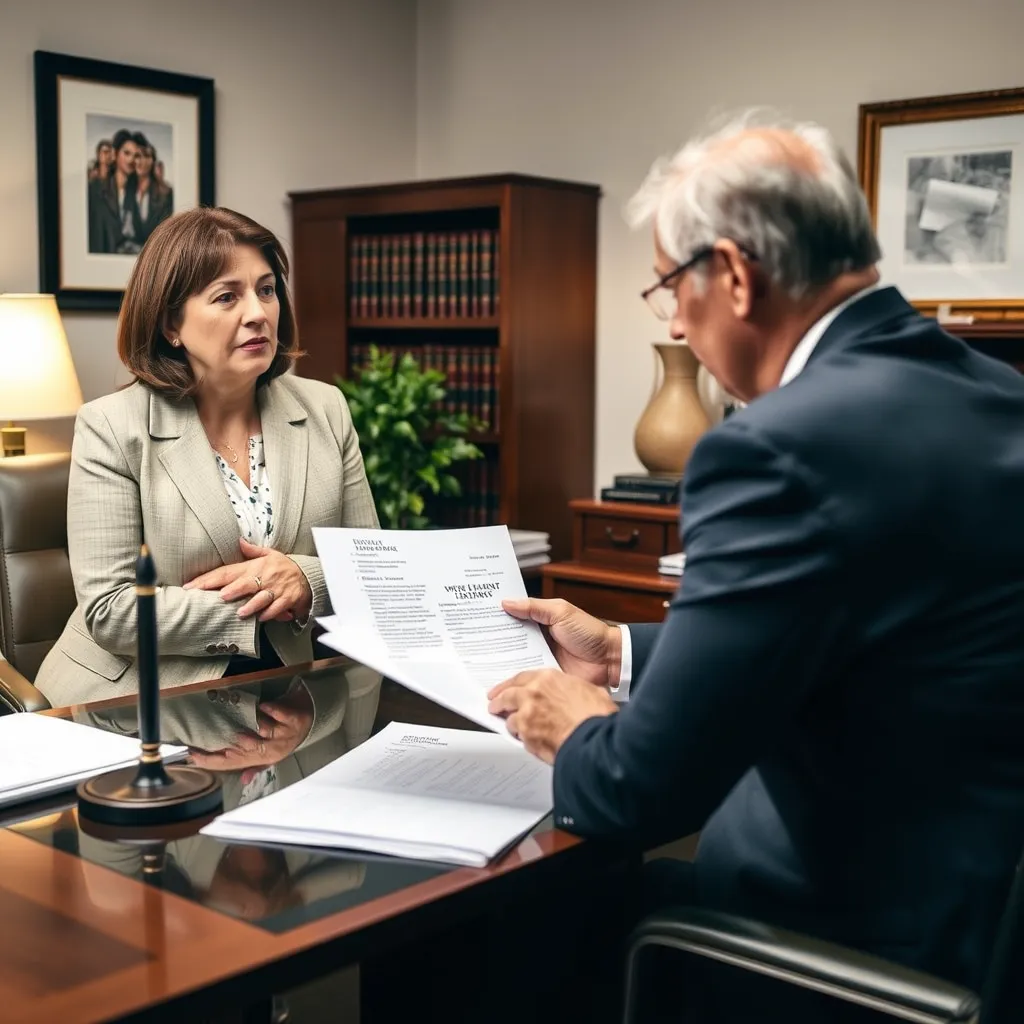
The process of working with a protective order attorney in Falls Church begins with an initial consultation. During this meeting, you’ll discuss your specific situation, concerns, and desired outcomes. Be prepared to share details about incidents, dates, locations, and any existing documentation. This information helps the attorney assess your case and recommend appropriate legal actions under Virginia law.
Your attorney will explain the different protective order options available in Virginia. They’ll discuss the requirements, duration, and limitations of each type. Based on your circumstances, they’ll recommend whether to pursue an emergency protective order, preliminary protective order, or permanent protective order. They’ll also explain what protections each order can provide, such as no-contact provisions, stay-away requirements, or custody arrangements.
Once you decide to proceed, your attorney will handle the legal paperwork and court filings. They’ll help complete the required petition forms with accurate, detailed information about the incidents prompting the request for protection. They’ll gather supporting evidence, which may include photographs, medical records, police reports, text messages, emails, or witness statements. Proper documentation strengthens your case in court.
Your attorney will represent you at all court hearings, presenting evidence and legal arguments on your behalf. They’ll prepare you for what to expect in court, including potential questions from the judge. They’ll also explain court procedures and help you understand the legal standards that must be met. After the hearing, they’ll ensure you receive copies of any orders granted and explain how to enforce them if necessary.
Can I obtain a protective order without an attorney
Virginia law allows individuals to file for protective orders without legal representation. The court system provides forms and instructions for self-represented individuals. However, handling these matters alone presents challenges. Court procedures involve specific rules about filing deadlines, proper documentation, and evidence presentation. Missing requirements can delay protection or result in denied petitions.
Protective order cases require presenting evidence that meets Virginia’s legal standards. This includes demonstrating specific incidents, threats, or patterns of behavior that justify court-ordered protection. An attorney understands what evidence courts typically require and how to present it effectively. They know how to organize documentation, prepare witnesses, and present legal arguments that address the judge’s concerns.
Court hearings involve legal procedures and terminology that can be confusing for those without legal training. Judges may ask specific questions about incidents, dates, and requested protections. An attorney can prepare you for these questions and help you present your information clearly and effectively. They can also object to improper questions or evidence presented by the other party.
Legal representation becomes particularly important when cases involve involved issues. These might include child custody provisions within protective orders, property restrictions, or situations where both parties seek protection. An attorney can help address these challenges and ensure all relevant legal considerations are properly presented to the court. They can also help with enforcement if the other party violates the order.
Why hire legal help for protective filings
Professional legal assistance with protective filings offers several important benefits. Attorneys understand Virginia’s protective order statutes and how courts interpret them. They know what evidence courts typically require and how to present it effectively. This knowledge helps ensure your petition meets legal standards and addresses the judge’s likely concerns. Proper presentation can make a significant difference in obtaining necessary protection.
Legal professionals manage the complete court process, including filing requirements, hearing schedules, and procedural rules. They ensure all paperwork is completed accurately and submitted on time. They prepare you for court appearances, explaining what to expect and how to present your information. During hearings, they present legal arguments and evidence on your behalf, addressing any questions or concerns raised by the judge.
Attorneys can help identify appropriate protections to request based on your specific situation. Protective orders can include various provisions beyond basic no-contact requirements. These might address child custody arrangements, property use restrictions, counseling requirements, or firearm surrender. An attorney can explain these options and help request appropriate protections that address your safety concerns effectively.
After obtaining a protective order, legal help remains valuable for enforcement and modification. If the other party violates the order, an attorney can help with enforcement procedures. If circumstances change, they can assist with modifying or extending the order as needed. They can also provide guidance on related legal matters that may arise, such as divorce proceedings or child custody cases connected to the protective order situation.
FAQ:
What types of protective orders are available in Virginia?
Virginia offers emergency, preliminary, and permanent protective orders with different durations and requirements.
How long does it take to get a protective order?
Emergency orders can be obtained quickly, while permanent orders require a hearing typically within 15 days.
What evidence do I need for a protective order?
Evidence may include photos, medical records, police reports, witness statements, and documentation of threats.
Can I get a protective order for harassment?
Yes, Virginia law allows protective orders for stalking, harassment, and other threatening behaviors.
What happens at a protective order hearing?
The judge reviews evidence, hears testimony, and decides whether to grant the requested protections.
How long do protective orders last in Virginia?
Emergency orders last up to 72 hours, preliminary orders until the hearing, and permanent orders up to two years.
Can protective orders include child custody provisions?
Yes, protective orders can address temporary custody and visitation arrangements when children are involved.
What if someone violates a protective order?
Violations should be reported to law enforcement and may result in criminal charges against the violator.
Can I modify or extend a protective order?
Yes, you can request modifications or extensions through the court before the order expires.
Do I need an attorney for a protective order hearing?
While not required, legal representation often helps present your case effectively in court.
How much does a protective order lawyer cost?
Costs vary based on case challenge and attorney experience, with many offering initial consultations.
What protections can a protective order provide?
Orders can include no-contact provisions, stay-away requirements, and other safety measures.
Past results do not predict future outcomes