
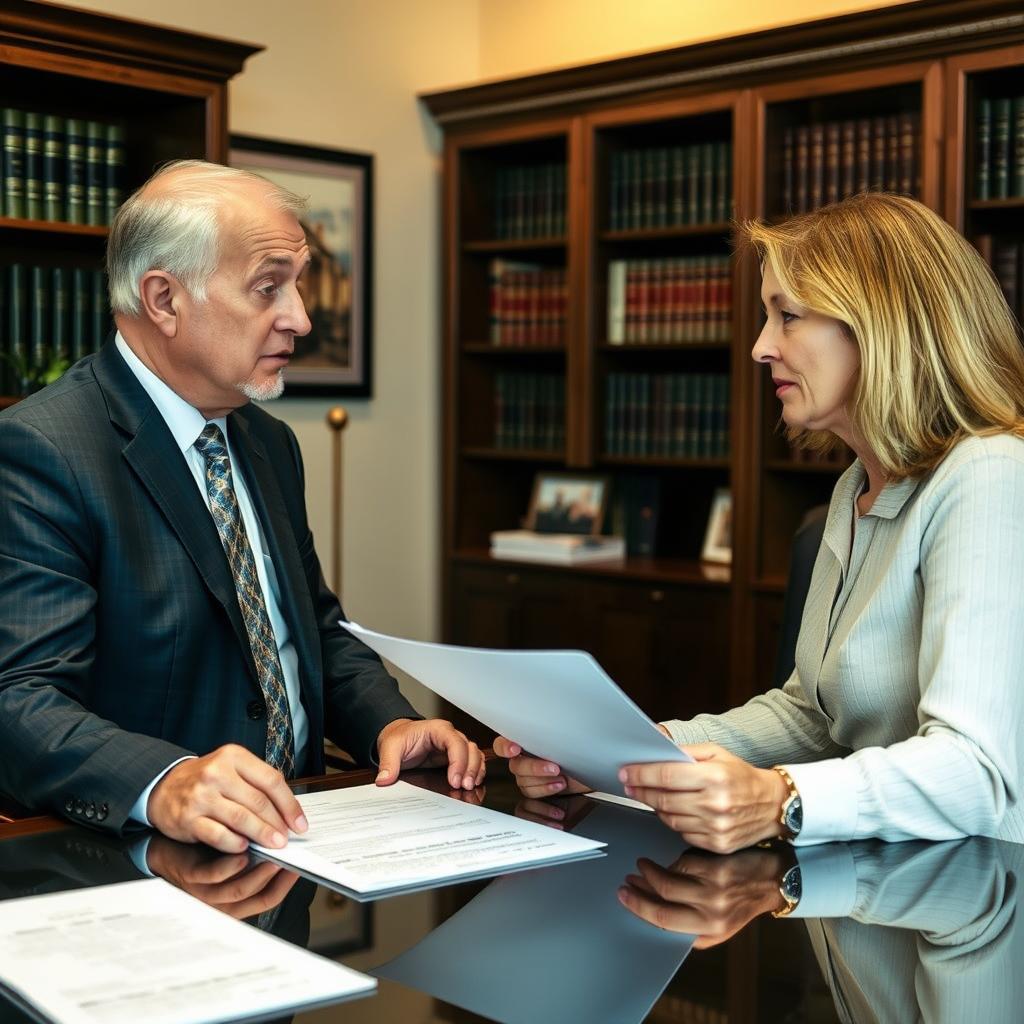
Postnup Lawyer King George County, VA
Addressing postnuptial agreements in Virginia requires careful attention to both statutory requirements and the unique circumstances of each marriage. Law Offices Of SRIS, P.C., founded in 1997, guides clients through the drafting, review, and enforcement of postnuptial agreements in King George County and throughout Virginia. Mr. Sris and his Of Counsel team bring decades of combined experience to these matters, providing clear guidance on how Virginia’s Premarital Agreement Act applies to agreements made after marriage. Whether you are considering a postnuptial agreement to clarify financial rights, protect separate property, or establish terms in the event of separation, our firm can help you understand the legal framework and work toward an agreement that reflects your objectives. To discuss your situation, reach our firm at (888) 437‑7747. Law Offices Of SRIS, P.C. – Advocacy Without Borders.
What a Postnuptial Agreement Means in King George County, Virginia
A postnuptial agreement—often called a postnup—is a written contract entered into by spouses after marriage that sets forth their respective rights and obligations with respect to property, support, and related matters in the event of divorce or death. In Virginia, postnuptial agreements are governed by the Premarital Agreement Act, Va. Code § 20‑147 et seq., which treats both premarital and postnuptial agreements under the same statutory framework. The same fundamental principles apply: the agreement must be in writing, signed by both parties, and entered into voluntarily, with full and fair disclosure of each party’s financial circumstances. Courts in King George County, including the King George County Circuit Court, have jurisdiction over actions to enforce or challenge a postnuptial agreement when a divorce or property distribution dispute arises.
In a family law matter rooted in equitable distribution, a postnuptial agreement can significantly affect how marital and separate property are classified and divided. Virginia is not a community property state; instead, courts divide marital property fairly, though not necessarily equally, under the factors listed in Va. Code § 20‑107.3. A valid postnuptial agreement can override the default equitable distribution scheme and allow spouses to define their own property arrangements. For residents of King George, Dahlgren, and surrounding communities, working with an attorney who understands both the statutory requirements and the local court practices can be essential to ensuring that an agreement will be upheld if challenged later.
How Mr. Sris and His Of Counsel Handle Postnuptial Agreement Cases
When a client contacts Law Offices Of SRIS, P.C. about a postnuptial agreement, the process typically begins with a consultation to understand the couple’s goals, financial situation, and any concerns that prompted the desire for an agreement. Mr. Sris and his Of Counsel review the parties’ assets, debts, income, and estate planning considerations to determine what provisions might be appropriate. They then explain the legal standards Virginia courts apply—voluntariness, adequate disclosure, and the absence of unconscionability—and draft an agreement tailored to the couple’s circumstances. If the other spouse already has counsel, the firm will negotiate the terms on behalf of its client to achieve a balanced document that will withstand judicial scrutiny.
Should a dispute over the validity or interpretation of a postnuptial agreement arise in the context of a divorce or separation action in the King George County Circuit Court, Mr. Sris and his Of Counsel are prepared to litigate the matter. They will examine the circumstances surrounding the agreement’s execution and present evidence concerning the parties’ disclosure, independent legal advice, and the fairness of the terms. Throughout the process, the firm focuses on protecting the client’s interests while striving to resolve conflicts as efficiently as possible. For those seeking to modify or revoke an existing postnuptial agreement, the team provides guidance on the proper procedures and the evidentiary showing required under Virginia law.
About Mr. Sris and His Of Counsel Team
Mr. Sris, Owner and Founder of Law Offices Of SRIS, P.C., has practiced law since 1997 and is admitted in Virginia, Maryland, the District of Columbia, New Jersey, and New York. As a former prosecutor, he brings firsthand trial experience to family law matters, including those involving contested postnuptial agreements. Mr. Sris testified before the Virginia House Courts of Justice Committee in support of 2019 HB 635 (chief patron Del. David Bulova). He is supported by a team of Of Counsel attorneys who also concentrate their practices on family law and related areas. Together, Mr. Sris and his Of Counsel bring over 120 years of combined legal experience. Results may vary. The firm has documented over 4,739 firm-wide results. The firm has handled matters across multiple practice areas since 1997.
Frequently Asked Questions
What is a postnuptial agreement under Virginia law?
A postnuptial agreement is a written contract between spouses, entered into after marriage, that sets out their property rights and obligations in the event of divorce or death. Virginia’s Premarital Agreement Act, Va. Code § 20‑147 et seq., applies equally to agreements made after marriage. The agreement can address the division of marital and separate property, spousal support, and other financial matters. For it to be enforceable, the parties must sign the document voluntarily, with a full and fair disclosure of assets and liabilities, and the terms cannot be unconscionable when executed. Courts in King George County apply these principles when a postnuptial agreement is challenged in a divorce action.
Can a postnuptial agreement be enforced in King George County, Virginia?
Yes, a postnuptial agreement that meets Virginia’s statutory requirements is enforceable in the King George County Circuit Court. The court will examine whether both parties entered into the agreement freely, without duress or fraud, and whether there was adequate financial disclosure. If one spouse later claims the agreement is unfair, the court will consider the circumstances at the time of signing. A properly drafted agreement that reflects each party’s interests and was made with independent legal advice has a strong prospect of being upheld. If a dispute arises, the matter is litigated in the Circuit Court, which has exclusive jurisdiction over divorce and equitable distribution.
What can and cannot be covered in a Virginia postnuptial agreement?
Virginia law permits spouses to address property classification, division of assets and debts, and spousal support in a postnuptial agreement. The agreement may also include provisions concerning the disposition of property upon death and any other matter not in violation of public policy. However, child custody, visitation, and child support cannot be definitively fixed by a postnuptial agreement because the court always retains jurisdiction to determine what is in the best interests of the child. India is not a signatory to the 1980 Hague Convention on Civil Aspects of International Child Abduction. Provisions that encourage divorce or violate criminal statutes are unenforceable. A well‑crafted agreement focuses on financial issues and avoids any language that could be interpreted as contrary to public policy.
Do I need a lawyer to create a postnuptial agreement in Virginia?
While Virginia law does not require each spouse to have separate legal counsel, having an experienced attorney draft or review the agreement helps ensure it meets the statutory requirements and will be upheld if challenged. An attorney can identify potential pitfalls, ensure full disclosure, and create a document tailored to your unique financial situation. Mr. Sris and his Of Counsel represent clients in King George County and throughout Virginia, providing guidance on what a postnuptial agreement can accomplish and preparing an enforceable contract. Consulting counsel before signing can reduce the likelihood of later disputes over validity.
How does a Virginia court evaluate whether a postnup is valid?
A Virginia court examines whether the agreement was entered into voluntarily, with adequate financial disclosure, and whether its terms are unconscionable. The party seeking to invalidate the agreement bears the burden of proving a fatal defect. Factors such as the presence of independent legal advice, the sophistication of the parties, and the time between signing and filing for divorce are considered. In King George County, if a postnuptial agreement is questioned during a divorce proceeding, the Circuit Court will conduct a factual inquiry. The firm prepares clients for this process by drafting agreements that anticipate the court’s scrutiny and by presenting persuasive evidence when enforcement is contested.
Can a postnuptial agreement be modified or revoked in Virginia?
Yes, a postnuptial agreement can be modified or revoked by a subsequent written agreement signed by both parties. Virginia law, under Va. Code § 20‑153, allows spouses to amend or rescind a postnuptial agreement at any time, provided the new writing is executed with the same formalities as the original. A mere oral agreement is insufficient. If circumstances change—such as a significant shift in assets or the birth of a child—spouses may wish to update the terms. Mr. Sris and his Of Counsel can assist with drafting a modification that reflects the parties’ current intentions while preserving the enforceability of the agreement.
For further information on related family law matters, visit our pages on Fairfax County family law, Prince William County family law, and Manassas family law.
Outbound primary sources: Virginia Code Title 20 (Domestic Relations) · King George County Circuit Court · Virginia Judicial System
Attorney advertising. Prior results do not guarantee a similar outcome. Case results depend on a variety of factors unique to each case. Results may vary.