
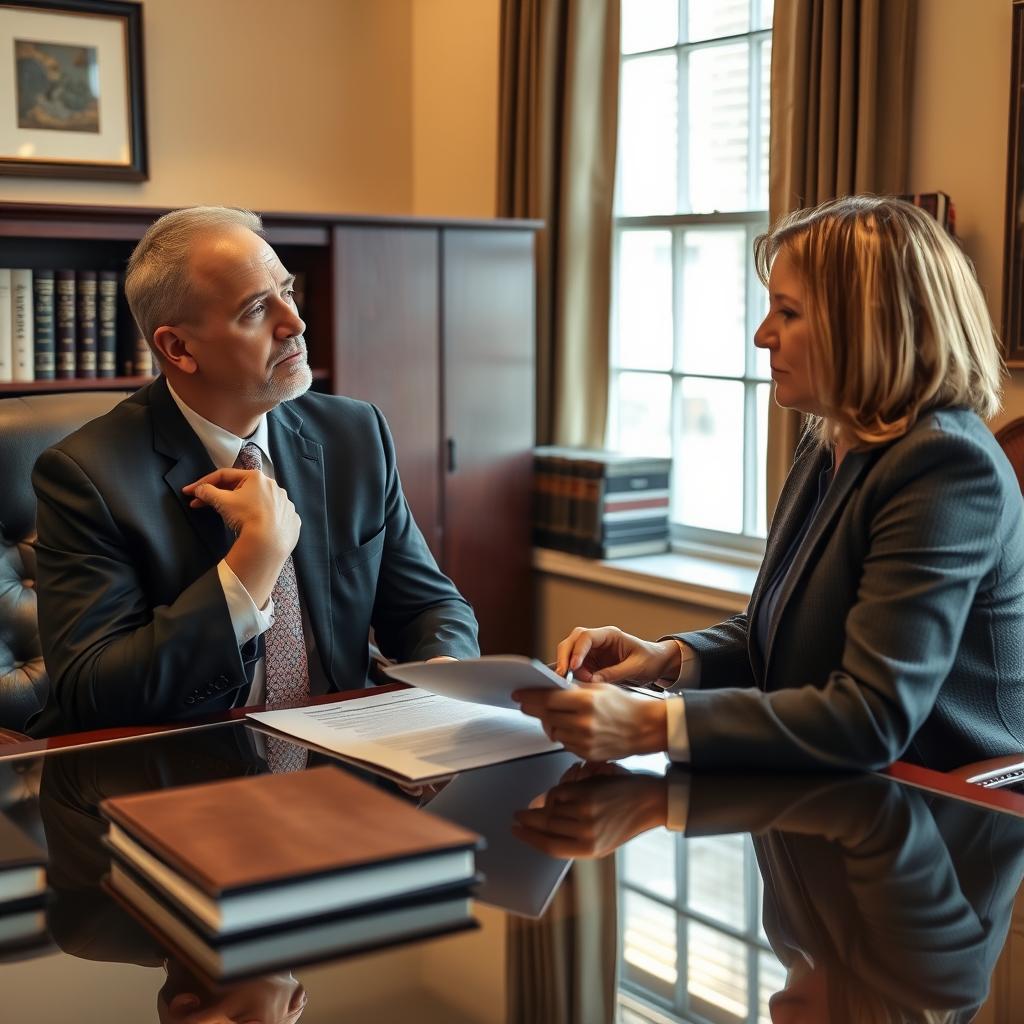
Marital Property Lawyer Goochland County, VA
Virginia law treats the division of property in a divorce through a process called equitable distribution, not community property. If you and your spouse have accumulated assets during the marriage—a home near the James River, retirement accounts, a family business in Crozier or Oilville, or even debts—you need to understand how a Goochland County court is likely to classify and divide them. Law Offices Of SRIS, P.C. provides experienced guidance on marital property matters. Mr. Sris and his Of Counsel team work with clients to identify the full scope of the marital estate, negotiate a fair settlement when possible, and present the matter persuasively to the Goochland County Circuit Court when necessary. Reach our location at (888) 437-7747 to request a consultation. Law Offices Of SRIS, P.C. – Advocacy Without Borders.
What Marital Property Means in Goochland County, Virginia
Marital property encompasses nearly everything a couple acquires during the marriage, regardless of whose name is on the title. Under Va. Code § 20-107.3, the Goochland County Circuit Court—located at 2938 River Road West, Bldg G, Goochland, VA 23063—has jurisdiction to classify, value, and distribute property when a marriage ends. The court treats separate property differently: assets owned before the marriage, inheritances, and gifts from third parties generally remain with the spouse who received them.
When a couple cannot agree on a division, the judge evaluates a set of statutory factors that include the duration of the marriage, each spouse’s financial and non‑financial contributions, the circumstances that led to the separation, and the ages and health of the parties. Because Virginia is an equitable distribution state, the result is a division that the court considers fair under the specific facts—not necessarily an equal split. A detailed picture of what the household owned and owed is essential, and an experienced marital property lawyer can help you present that picture clearly to the court.
How Mr. Sris and His Of Counsel Handle Marital Property Cases
Mr. Sris and his Of Counsel begin by gathering a complete financial inventory: real estate deeds, bank and brokerage statements, retirement plan summaries, business tax returns, and records of any separate property claims. They then analyze which assets are marital and which are separate—a step that can become complex when pre‑marital funds have been commingled with marital accounts.
After classification, the team reviews the value of each asset. When a business, professional practice, or complex investment portfolio is involved, they may work with financial attorneys to develop a reliable valuation. Armed with that information, they negotiate a property settlement agreement whenever possible, aiming to resolve the matter without a trial. If an agreement cannot be reached, they present the evidence and arguments to the Goochland County Circuit Court, focusing on the equitable-distribution factors that support their client’s position. Throughout the process, they explain each step plainly so that you can make informed decisions about your financial future.
About Mr. Sris and His Of Counsel Team
Mr. Sris, Owner and Founder of Law Offices Of SRIS, P.C., has practiced family law since establishing the firm in 1997. He is a former prosecutor whose analytical approach carries into marital property disputes. Mr. Sris testified before the Virginia House Courts of Justice Committee in support of 2019 HB 635 (chief patron Del. David Bulova), a measure that revised Virginia’s equitable distribution statute. He is supported by a dedicated Of Counsel team, bringing over 120 years of combined legal experience and 4,739+ documented firm-wide results. Results may vary.
Frequently Asked Questions
What is equitable distribution in a Virginia divorce?
Equitable distribution is the legal process by which a Virginia court divides marital property fairly, though not necessarily equally, after a marriage ends. The judge applies the factors listed in Va. Code § 20-107.3, including the length of the marriage, each spouse’s contributions, and the reason for the breakup. Assets acquired during the marriage are generally considered marital, while property owned before the wedding or received as a gift or inheritance usually remains separate. The court must first classify everything, then assign a value, and finally decide how to split the marital portion.
How does Virginia classify marital property versus separate property?
Generally, marital property includes assets earned or bought during the marriage, while separate property comprises items owned before the marriage or received by one spouse as a gift or inheritance. The classification can become tangled when separate funds are deposited into a joint account or used to improve a jointly‑owned home. Courts look at whether the separate character of the property has been preserved or whether it has been mixed with marital assets in a way that changes its status. Clear documentation is key to supporting a classification.
Do I need a lawyer to handle property division in a Goochland County divorce?
You are not legally required to have an attorney for property division, but working with a marital property lawyer can help you identify and protect assets you may not realize are at stake. Even in an amicable separation, the financial details—retirement plans, investment accounts, business interests—are frequently more complicated than they first appear. An experienced family law practitioner can walk you through the classification and valuation process and help you negotiate a settlement that avoids leaving any marital asset unaccounted for. For guidance on your specific situation, reach Law Offices Of SRIS, P.C. at (888) 437-7747.
What is a property settlement agreement, and can it avoid a court hearing in Goochland County?
A property settlement agreement is a written contract between spouses that resolves all property, support, and related issues without a trial. If both parties sign the agreement and it is accepted by the Goochland County Circuit Court, the judge may incorporate it into the final divorce decree. For couples who qualify for the six‑month separation divorce ground under Va. Code § 20-91(9)(b), a comprehensive settlement agreement can significantly shorten the time to final resolution. The agreement must be voluntary and fully disclose assets or a court may set it aside.
How does the court value a business or retirement account in a Virginia divorce?
The court assigns a value to a business or retirement account by considering evidence such as financial records, market data, and, when needed, expert reports. For a closely held business, an appraiser or forensic accountant may analyze the company’s earnings, assets, and market position. Retirement accounts are valued based on plan statements, and the marital portion—the share that accumulated during the marriage—can be divided through a qualified domestic relations order. Because valuing complex assets often involves specialized analysis, an experienced marital property lawyer can coordinate these efforts.
Can I keep the house if I pay my spouse for their share in Goochland County?
Yes, you may be able to keep the family home by buying out your spouse’s equitable share, provided you and your spouse agree or the court orders it. The buyout amount is usually based on the net equity in the property after accounting for any outstanding mortgage and other liens. The court considers factors such as which spouse has the ability to refinance the mortgage, the care arrangements for any children, and the overall division of other assets. If the parties cannot agree on a buyout figure, the court may order the property sold and the proceeds divided.
Primary sources: Virginia Code Title 20 (Domestic Relations) · Goochland County Circuit Court · Virginia Judicial System
Attorney advertising. Prior results do not guarantee a similar outcome. Results may vary.
Case results depend on a variety of factors unique to each case.